
New Zealand wildlife guide: Best animals & where to see them (South Island summer edition!)

Join our email list!

March 16, 2026


If you’re planning a trip to New Zealand’s South Island and thinking, “I just want to see cool New Zealand wildlife without without totally winging it,” I have you covered!
New Zealand should be a renowned wildlife destination, but even its most famous prehistoric weirdo—the kiwi—is overshadowed by hobbits. I love a good fantasy novel as much (if not embarrasingly more) than the average person, but if you want to swim with the world’s smallest dolphin, watch tiny blue penguins waddle in from the ocean at sunset, and spot animals you can’t find anywhere else in the world (like an alpine parrot), New Zealand’s isolation has made it the place!
This guide breaks down the best wildlife to see in New Zealand in summer and exactly where to find them. I’ve absolutely driven two hours out of the way for a “guaranteed” wildlife sighting only to stare at an empty ocean like an idiot, so help me help you: learn from my mistakes, friends!
Best places to see wildlife in New Zealand
New Zealand wildlife list: Quick overview
If you’re looking for the short answer, these are some of the most charismatic (read: adorable) species to add to your New Zealand wildlife bucket list:
- Dolphins (don’t miss the endemic Hector’s dolphin, the smallest dolphin in the world!)
- Penguins (3 species)
- Seals & sea lions
- Whales
- Kea (alpine parrots)
- Kiwi (rare, but possible)
- Glow worms
And if you’re looking for a road trip route or New Zealand South Island campervan itinerary (10–14 days) to help you map your trip and hit several of these spots, head over to that blog next! I put so much time and heart into it and hope it helps you plan your trip.
Whales & dolphins in New Zealand (Best places to see them)
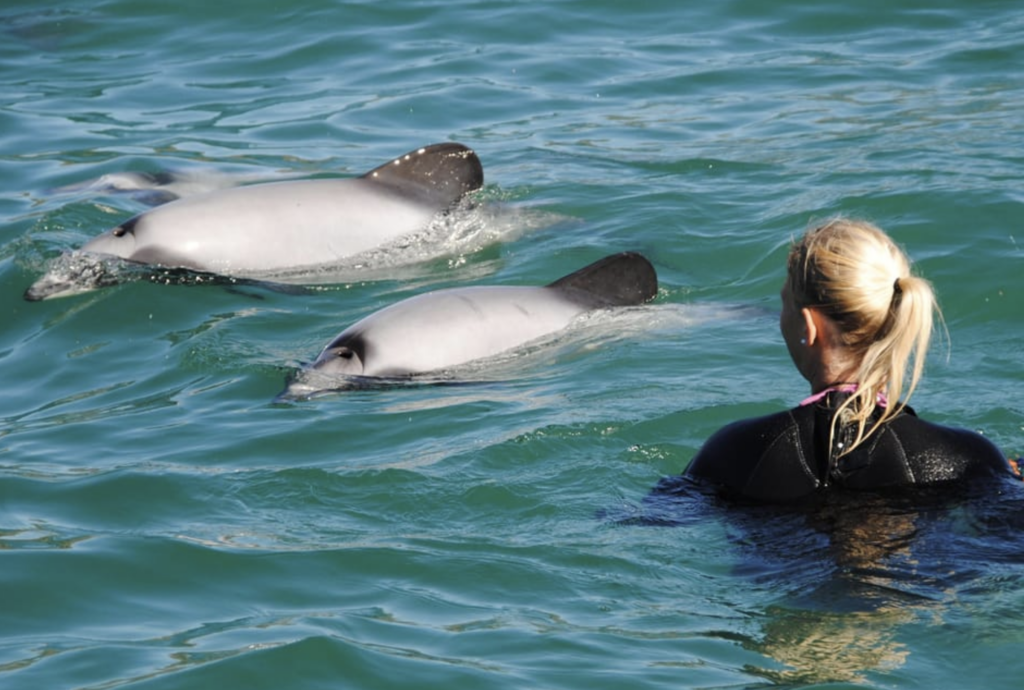
If you’re here for whales and dolphins (and you don’t have to play it cool—everyone loves dolphins), New Zealand delivers if you know where to go.
Kaikōura: Best place to see whales in New Zealand
If you only have time for one wildlife stop in New Zealand between wine tastings, waterfall hikes, and hobbits, make it Kaikōura.
It’s one of the best places in the world to see sperm whales year-round, which are difficult to see in most places because they spend all their time foraging for squid thousands of feet deep. In Kaikōura, there’s a deep ocean trench right on the coastline that’s basically an all-you-can-eat buffet for them and you can see them resting and socializing on the surface!
You’ve also got dusky dolphins, Hector’s dolphins, New Zealand fur seals, and maybe even little blue penguins. I’d say that Kaikōura is the closest thing you’ll get to a “guaranteed” whale sighting, but wildlife is never guaranteed and you should definitely make the most of this chance by booking a tour with a naturalist.
For whale watching cruises, I HIGHLY recommend booking this one, which gives you the chance to see sperm whales up close along with seals and dolphins.
If you’re looking for a different vantage point, this once-in-a-lifetime whale watching FLIGHT guarantees a window seat and is something you’ll be talking about for years.
And if you’re like me, you’ll forget you already told these stories to friends and family and tell them on repeat while forcefully showing photos again and again. 😅
Akaroa: Swim with Hector’s dolphins
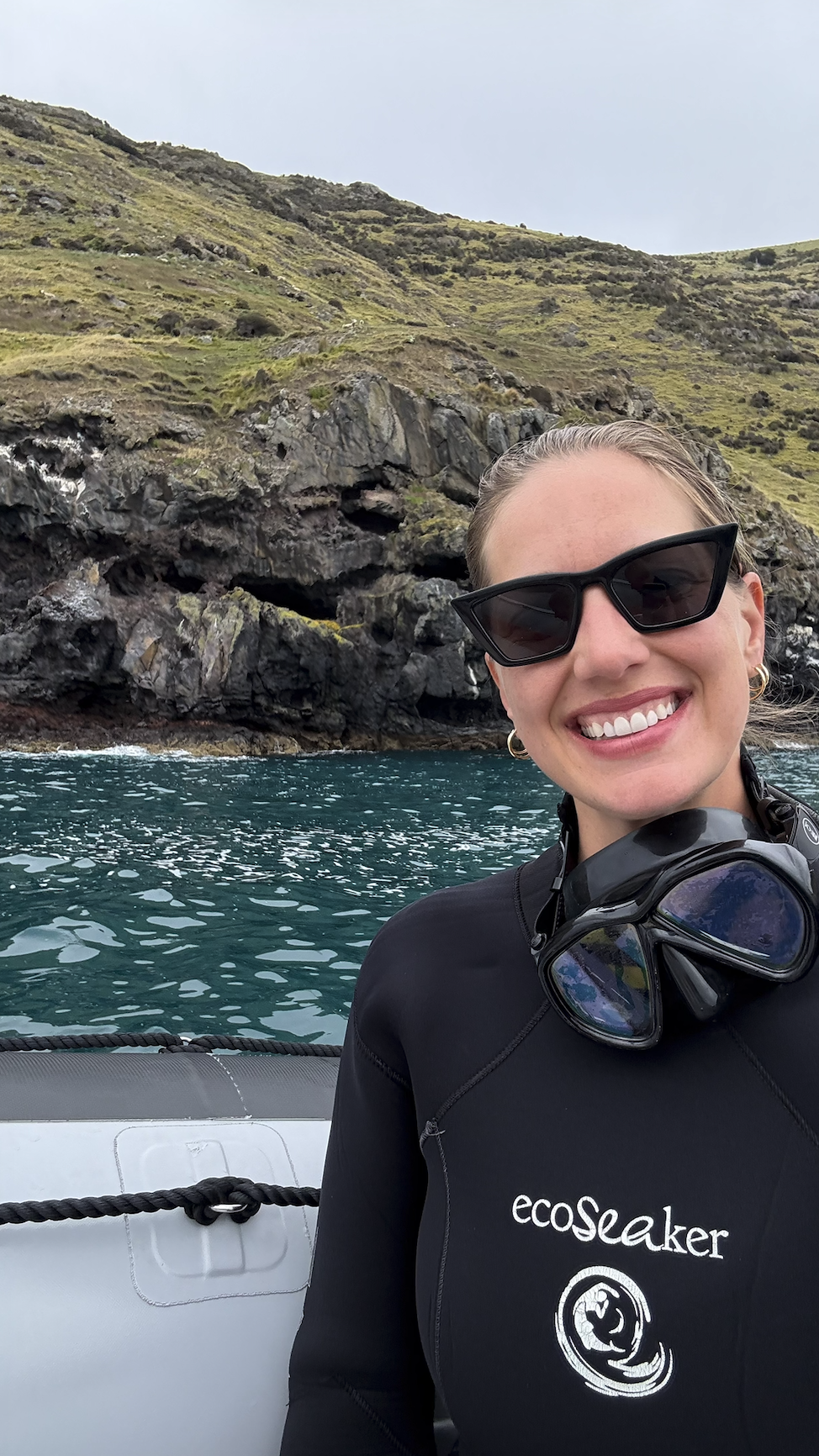
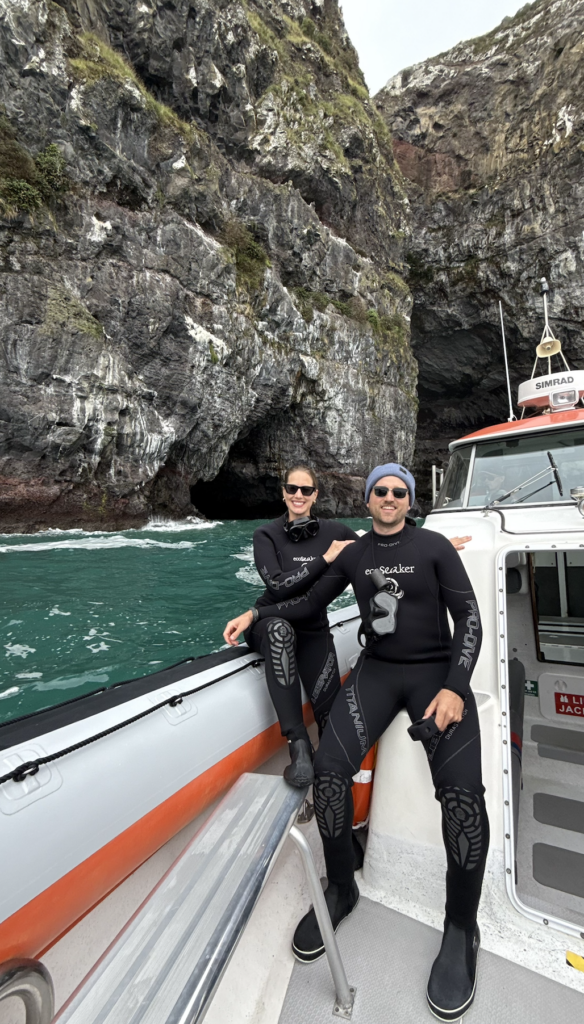
If Kaikōura is the heavy hitter, Akaroa is the underrated opponent who gets overlooked and then wins the big match.
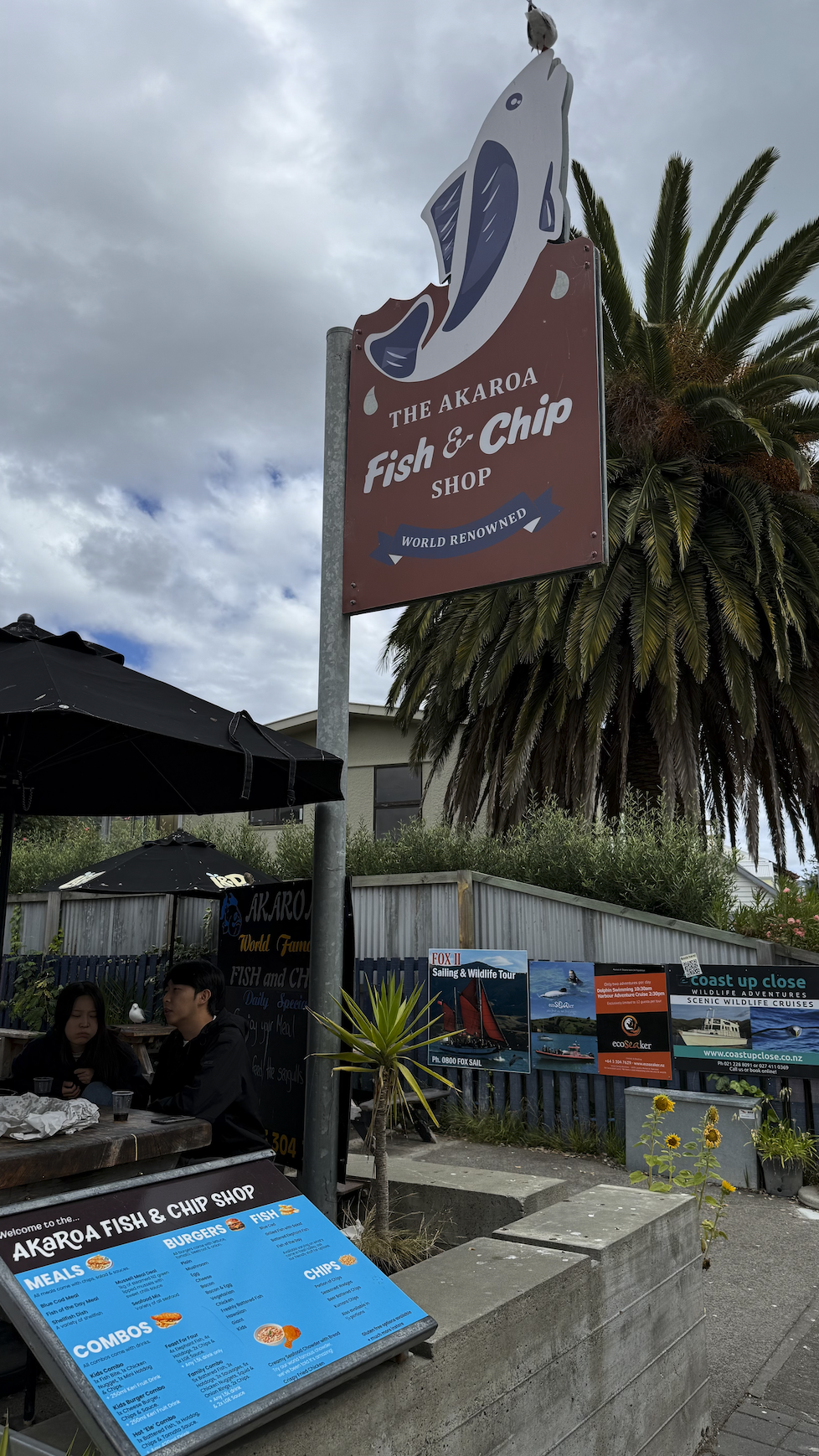
Akaroa Harbour is a stunning flooded volcanic caldera that formed millions of years ago. Gentle mountains surround the bay and the town of Akaroa sits on its shores. It has cute seaside vibes with French influence, the water’s edge is spotted with little fish and chips shops, breezy trails, parks, and mom and pop restaurants.
It’s also where you can swim with Hector’s dolphins, the smallest (and one of the rarest) dolphin species in the world! They’re fast, playful, and way cuter than they need to be with black and white coloration that a lot of people say makes them look like orca calves.
These little guys are 1000% worth going out of your way for, and summer is a great time to see them—calmer water, better visibility, and a higher chance of actually getting in the water with them instead of just watching from a boat.
This was hands down one of my top 3 favorite experiences during my 6-week trip to New Zealand, and an unmissable encounter especially for dolphin and wildlife lovers!
I break down my experience in my full guide (including a review of the company I went with, how to book, prices, etc) here: I went wild swimming with Hector’s Dolphins in New Zealand
Milford Sound: Dolphins & Fiordlands wildlife
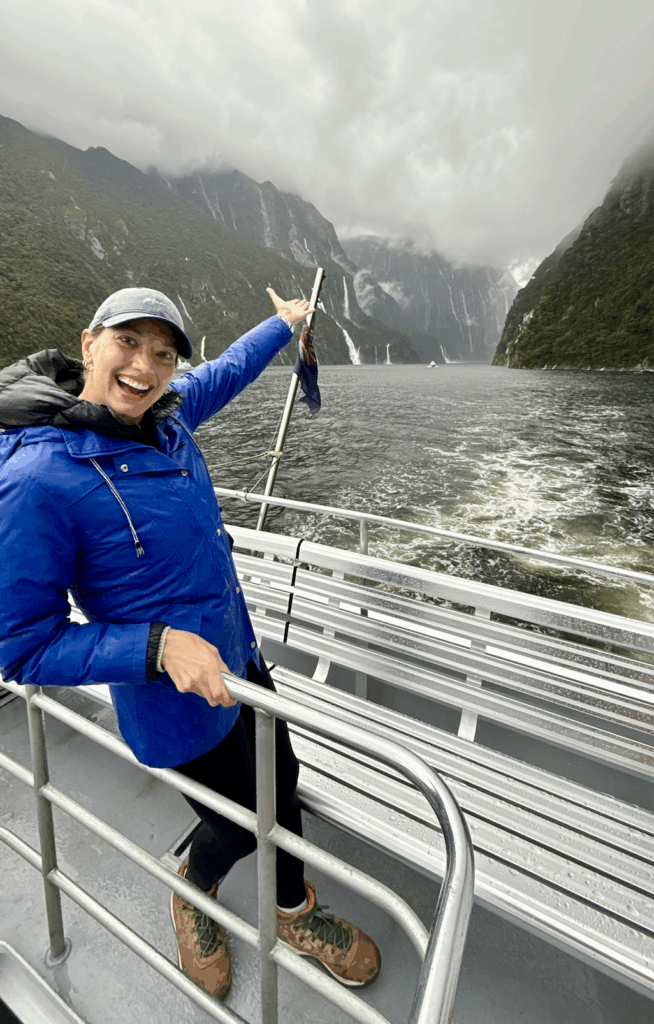
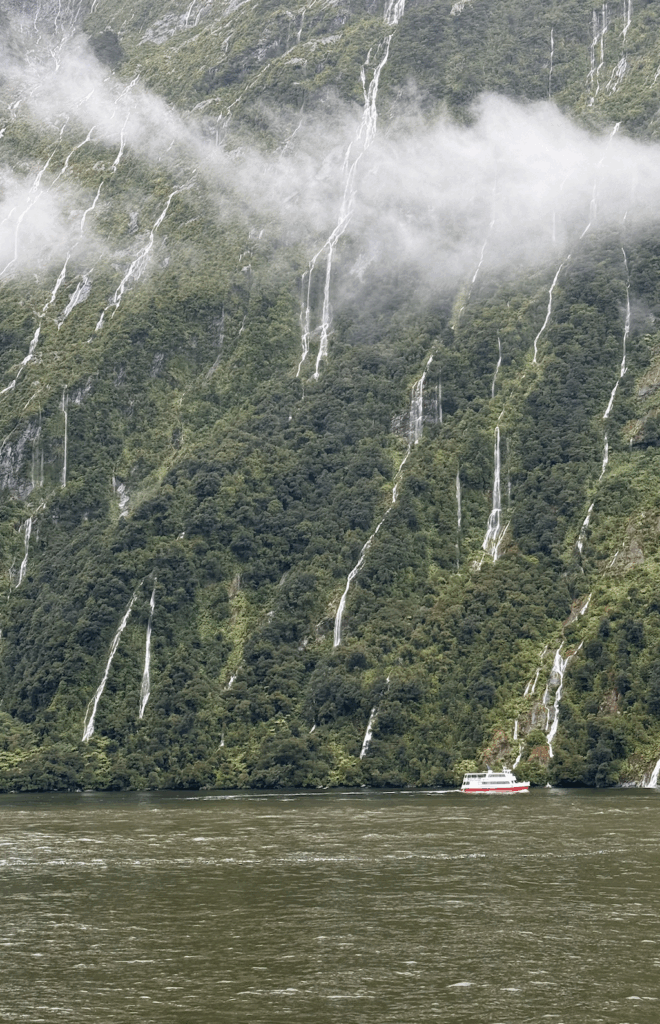
Milford Sound feels like something that shouldn’t exist outside of a fantasy movie. The fiord is surrounded by towering cliffs with thousands of waterfalls cascading into the deep water of the sound. Temperate rainforest bursts from every corner, and the inky green color and prehistoric feeling made it one of the most dramatic things I’ve ever seen in nature.
As you drive to the sound from within Fiordland National Park, you pop out of a mountain tunnel and overlook the entire scene from above. It made my jaw comically drop like a cartoon character!
While the scenery is 100% worth it alone, there’s also New Zealand wildlife casually living in the middle of it all. On a typical day cruise in Milford Sound, you’ll likely see:
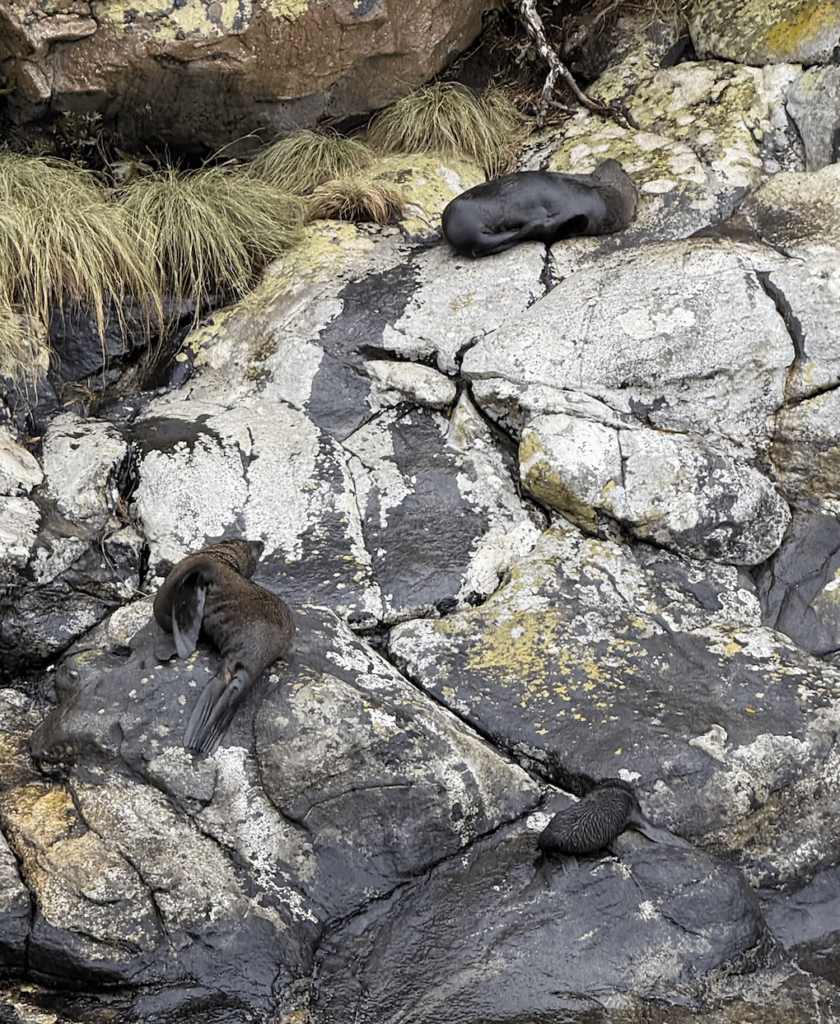
- Fur seals (lounging on the rocks, swimming, and snoozing with their pups)
- Dolphins weaving through the fjord
- Occasionally penguins, if you go in the right season and get lucky
- Orcas if you’re lottery-winner caliber lucky
It’s less about seeing one specific animal and more about the overall experience of being surrounded by such incredible nature on all sides! You’ll also want to keep an eye out for kea (rare alpine parrots with zero respect for personal property—more on kea later) on the drive in near Homer Tunnel.
Check out my full experience here, including the exact 3-hour cruise I booked with a naturalist (and bonus: there were cookies and hot chocolate!): Is a Milford Sound Cruise worth it? What I wish I knew before booking
Penguins in New Zealand (Where to actually see them)
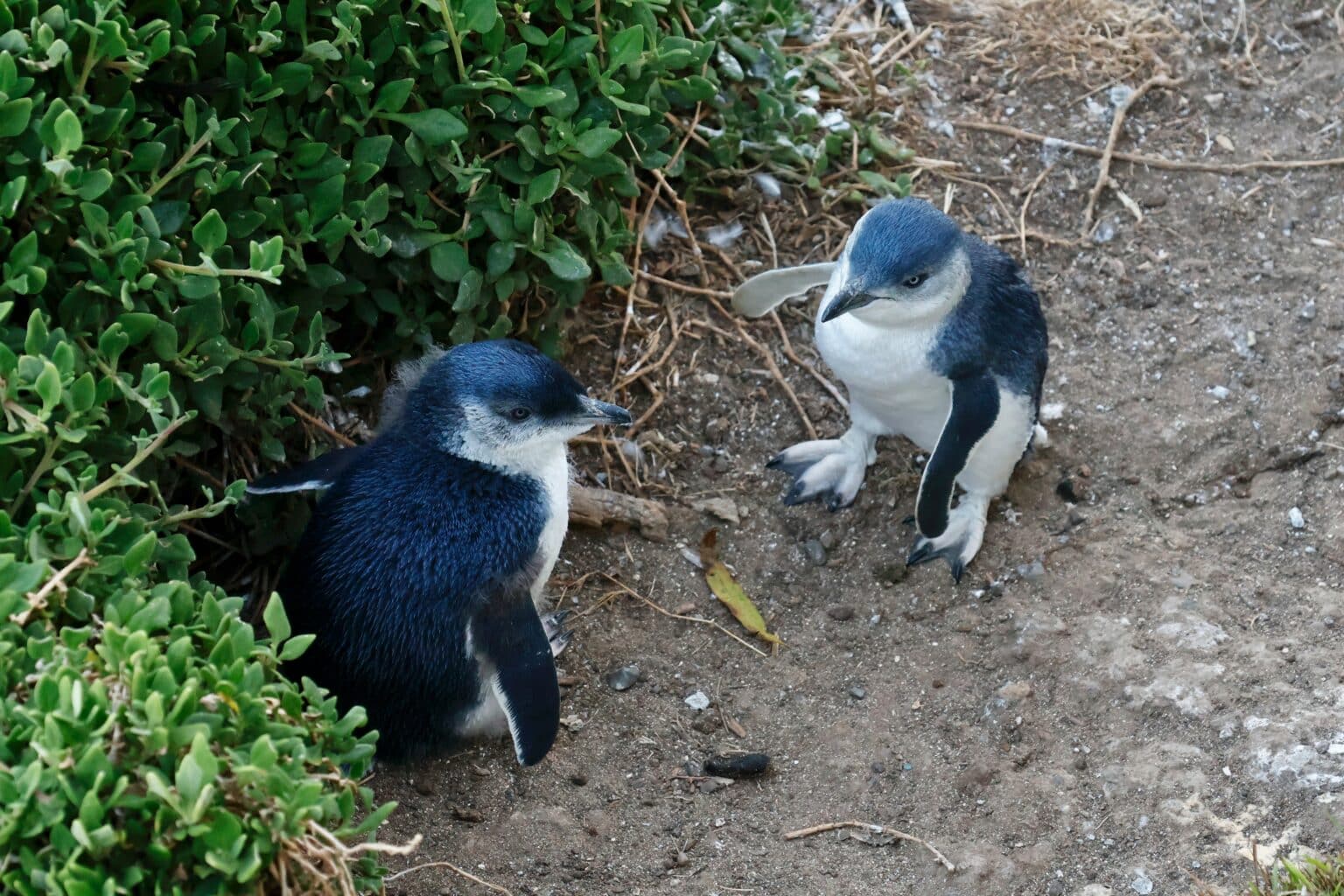
Penguins are one of the cutest animals to include on your New Zealand wildlife bucket list!
But they’re also small, camouflaged, and can only be seen at distinct times of the year depending on which species you’re looking for. So if you want to see them, you need a plan.
Oamaru Blue Penguin Colony (Most reliable penguin viewing)
If you want a guaranteed penguin sighting, Oamaru is it. And I don’t say that lightly! Wildlife is guaranteed like 0.001% of the time, but this spot is a safe bet for New Zealand’s native little blue penguins.
Every evening, little blue penguins (truly little—this is the smallest penguin species in the world!) come ashore after a day of fishing and waddle back to their nests like tiny, exhausted commuters. And you can watch them parade up the rocks to their nests!
If penguins are high on your list and you don’t have time to search for them in other places, don’t skip Oamaru. But there are some quirks and rules, so be sure to read my full guide: Oamaru blue penguin colony know-before-you-go guide!
Otago Peninsula – Yellow-Eyed Penguins
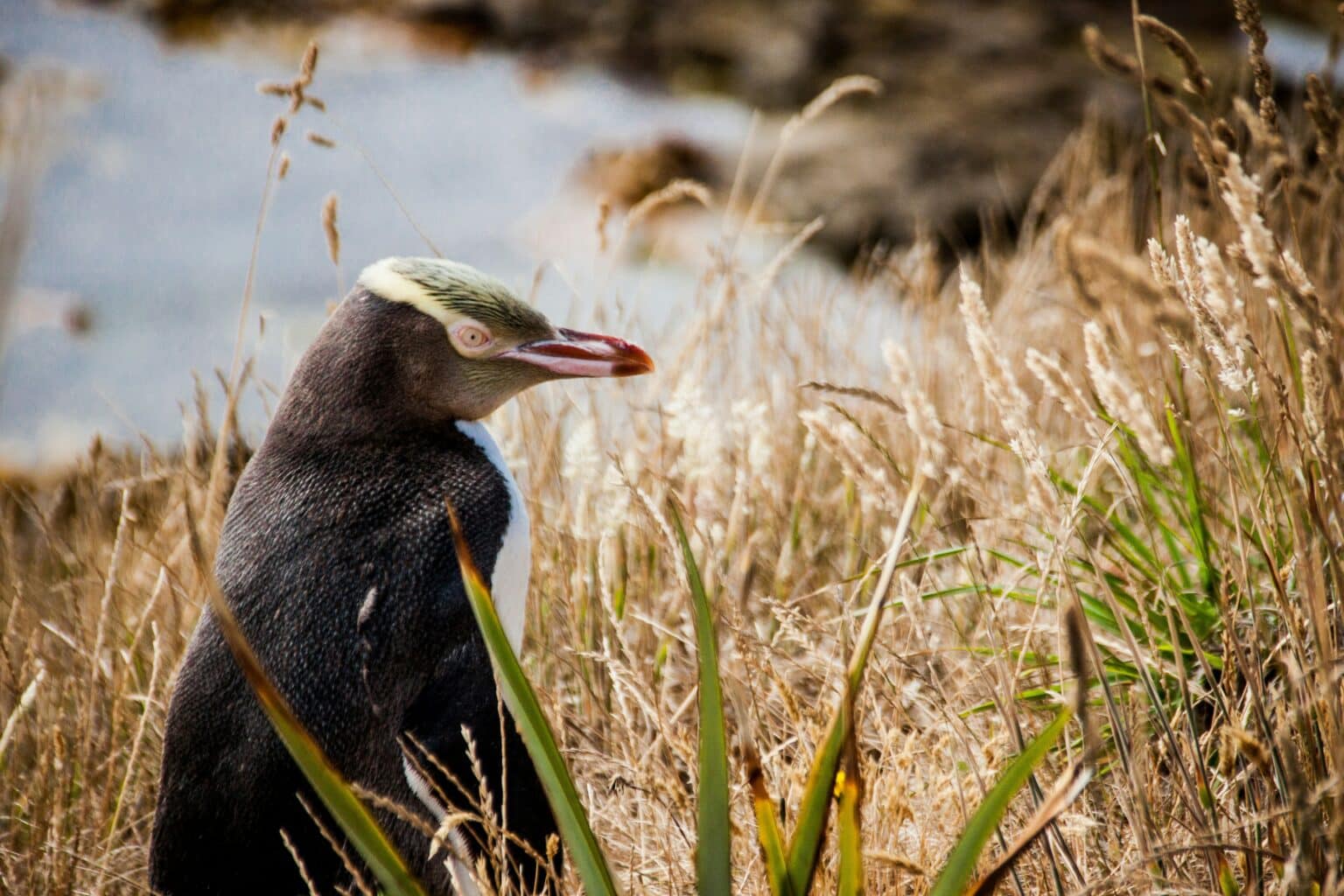
Otago is the opposite of Oamaru: it’s less predictable and more wild, but you might get lucky and see yellow-eyed penguins.
There are only ~1700 mating pairs of yellow-eyed penguins remaining and they’re extremely shy and difficult to spot. You may see them in a few reserves if you’re lucky, especially near Roaring Bay at Nugget Point Lighthouse at dusk.
Best places to see penguins in New Zealand
If you want the full breakdown—species, locations, timing, and how not to mess it up—I’ve got it all here in my detailed breakdown specific to penguins in New Zealand: Where to see penguins in New Zealand: 6 incredible penguin colonies
Seals & sea lions in New Zealand
Seals and sea lions are the easiest wins for New Zealand wildlife, and you’ll see them pretty easily at some of the places you probably already have on your New Zealand itinerary, like Kaikōura, Akaroa, Milford Sound, and the Otago Peninsula
They seem to hang out everywhere: near roads, beaches, and viewpoints like they’re part of the infrastructure. Don’t forget your wildlife manners: it’s important to give them space, not approach them (especially with pups!), and not get between them and the ocean.
Kiwi bird spotting in New Zealand
Yes, you can see a kiwi in the wild, but it’s not easy (and unfortunately, I didn’t get to!). Kiwis are nocturnal, shy birds that seem personally committed to avoiding you.
Stewart Island
If seeing a kiwi in the wild is a bucket list item, you go to Stewart Island. You can:
- Join a guided night tour (higher success rate)
- Or attempt it yourself (lower success rate, higher character development)
Your odds are significantly better on Stewart Island than anywhere else in New Zealand, but as every wildlife lover knows, our animal friends are fickle. I only recommend pursuing an experience like this if you can take pleasure in the journey, not just in whether or not you see the kiwi.
Kea (New Zealand’s alpine parrot)
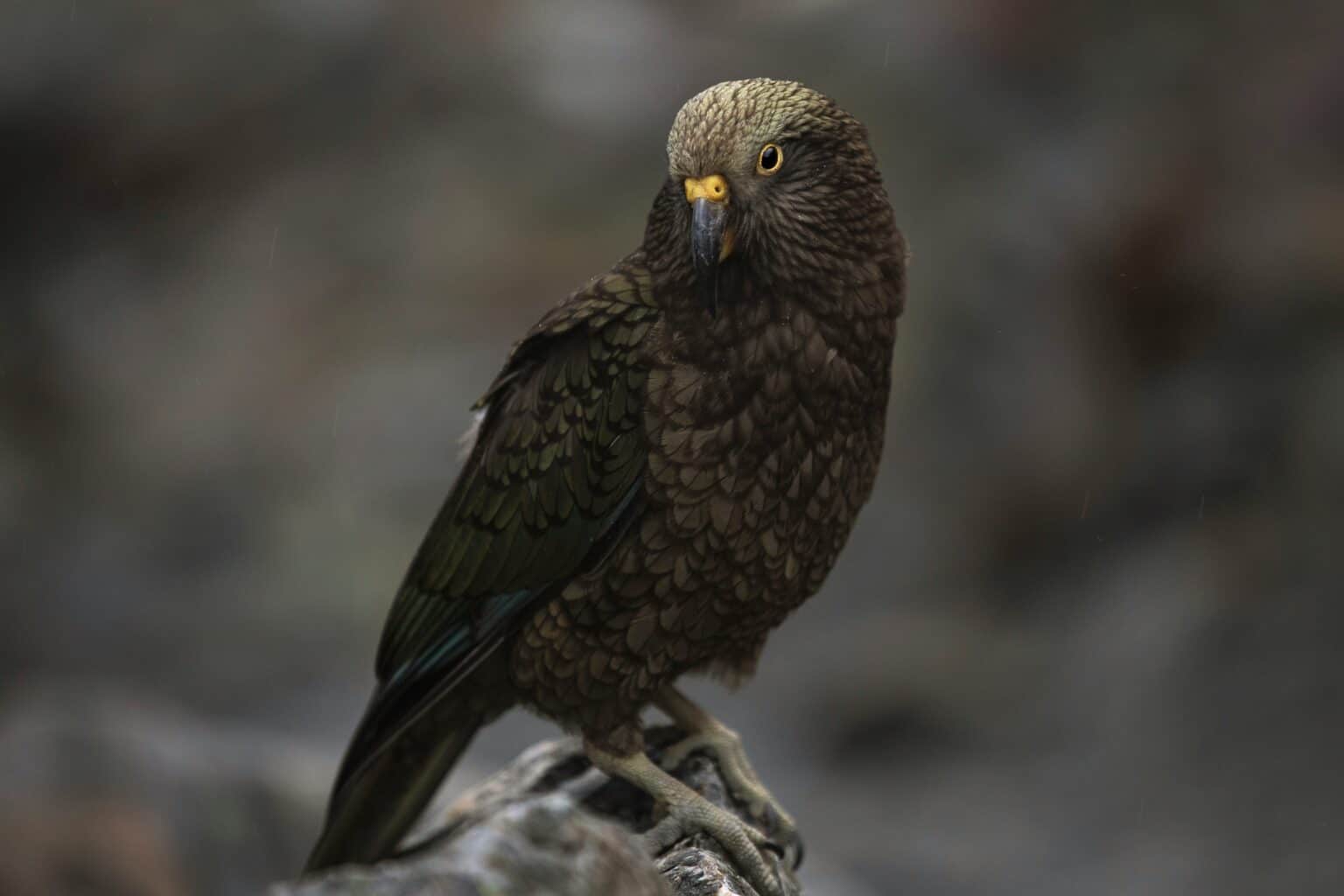
Kea are the only species of alpine parrot in the world, so if you’re a birder, this is a must-visit destination! Keas are known for pulling apart windshield wipers, backpacks, and anything else that looks remotely destructible.
Arthur’s Pass Kea Sightings
There’s a café in Arthur’s Pass (Arthur’s Pass Cafe & Store) where kea hang out like regulars! Order a coffee, keep one eye on your belongings, and enjoy the show.
Homer Tunnel (Milford Sound Drive)
On the drive to Milford Sound, you may see kea around Homer Tunnel! Don’t leave your car unattended with anything exposed unless you’re okay with it being stolen by one of these mischievous smarty pants.
Glowworms in New Zealand (Best places to see them)
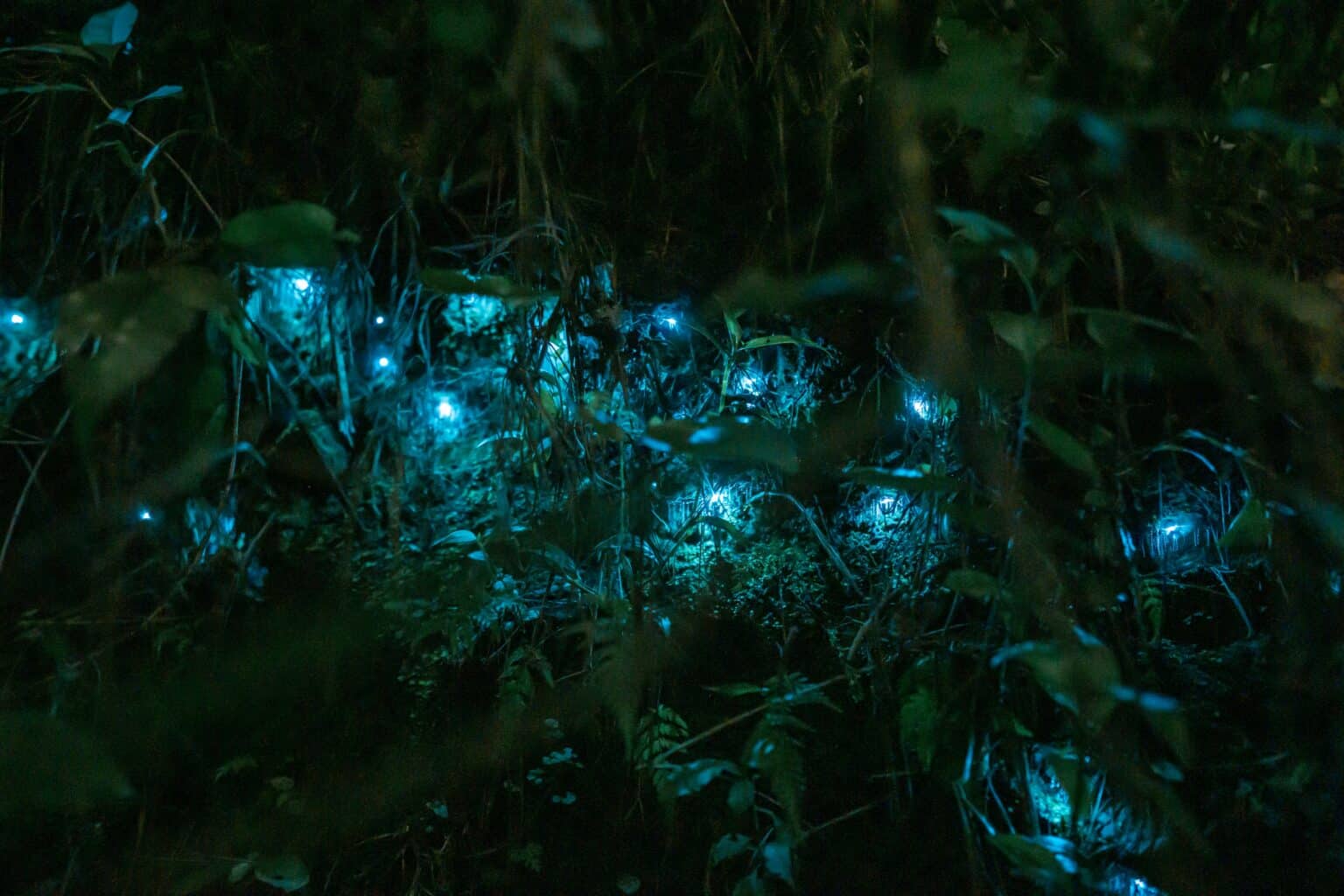
It seems random, but the New Zealand glowworms are one of the first things that come up when you google “New Zealand wildlife.” It turns out that they aren’t worms, but larvae of the fungus gnat (aka maggots. I know it sounds disgusting, but they are gorgeous!).
New Zealand glowworms are, of course, endemic to New Zealand and during the larval stage, they produce a blue-green bioluminescence that makes the dark, humid caves they live in look like a celing of stars. looks like a ceiling full of stars. If you’re going to the South Island, you’ll find the caves in Te Anu.
Glowworm caves (Guided tours!)
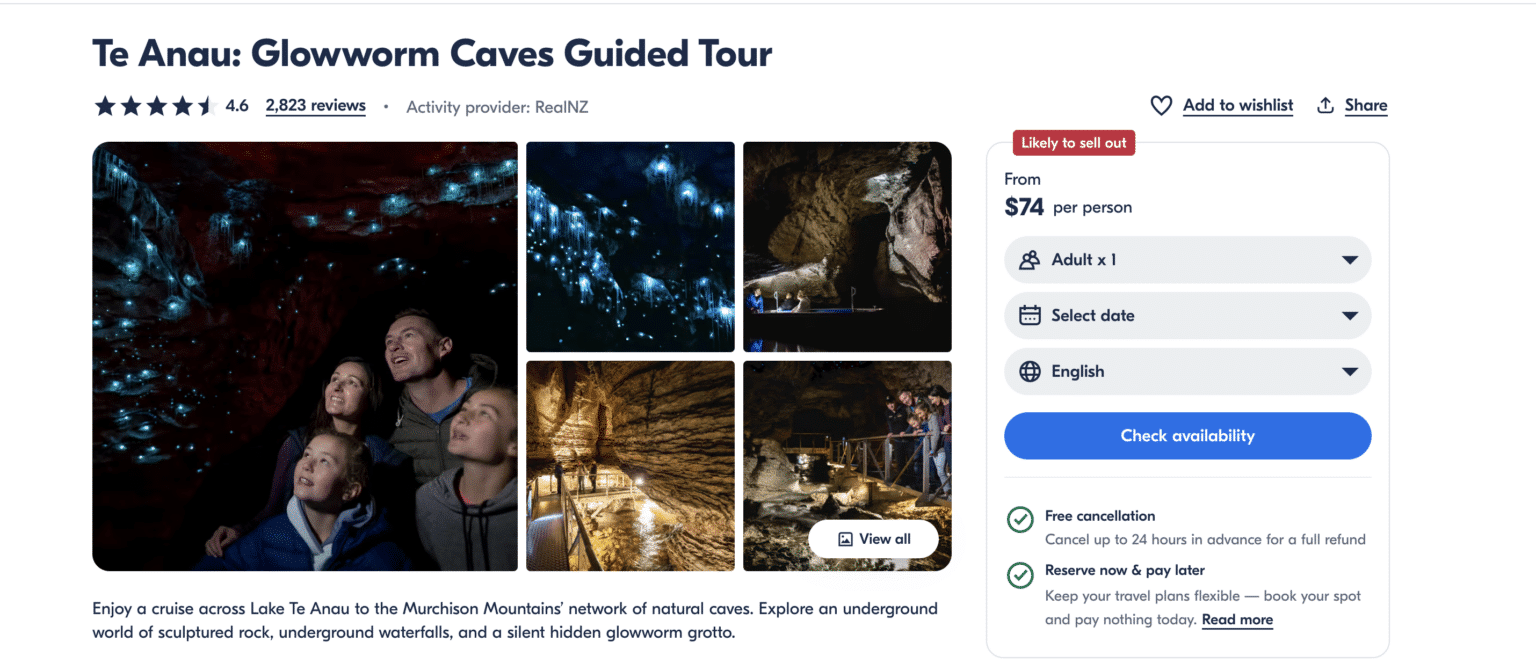
If you’re looking for awesome glowworm tours, there are a few different ways to see them that I recommend this ~2 hour glowworm tour where you cruise across Lake Te Anu to the caves, where you’ll see not only glowworms but underground waterfalls!
Best time to see New Zealand wildlife
The “best” time to see New Zealand wildlife depends on what exactly you want to see and in what circumstances. But what I personally like about summer in New Zealand (December–February) is that it gives you:
- Longer daylight hours: more time for early morning and evening wildlife activity
- Better road access, especially for places like Milford Sound and Stewart Island
- Active marine life: prime time for dolphins and whale watching
It’s not the only time to go, but it’s the best weather and a great time to be there! For penguins in particular, I recommend checking out my New Zealand penguin guide and checking on things like breeding season if one particular species is more important to you than another!
Tips for actually seeing wildlife (how to not leave disappointed)
- Go early or late—midday is typically a bad time to see animals
- Book tours where it matters (Kaikōura, Akaroa, Stewart Island)
- Be patient and set realistic expectations—you’re increasing your odds, not guaranteeing outcomes
What to pack for New Zealand in summer
New Zealand is warm, dry, and breezy in the summer with cool evenings. The general vibe is as outdoorsy and down-to-earth as the activities you’ll be doing, so be sure to bring all the things you need to be comfy pounding trails, biking, swimming, and of course wildlife viewing!
- Tanks and short sleeves
- Shorts and biker shorts
- Fleece or light jacket/zip up
- Rain gear (the summer isn’t rainy, but if you’re going to cruise Milford Sound, you will get SOAKED!)
- Swimsuit
- Water shoes (some hikes even have water running through the trails in Fiordlands National Park, so be sure you have the right footwear!)
- Sneakers/hiking shoes
- Packable towel
- Hat
- Sunglasses
- Sunscreen (the UV index is STRONG even when it doesn’t feel that hot!)
- Bug spray for mosquitos and sand flies
This is a quick and basic list, so be sure to grab my full packing list for New Zealand adventure travelers in summer here!
Frequently asked questions: New Zealand wildlife
What wildlife can you see in New Zealand?
New Zealand wildlife is stacked, and there are animals that you can’t see else — from Hector’s dolphins (the smallest in the world) to little blue penguins, fur seals, sea lions, kea, and the famously elusive kiwi. Marine life is the highlight, but there’s plenty happening on land too if you know where to look.
When is the best time to see New Zealand wildlife?
Summer (December–February) is one of the best times for wildlife — longer days, better weather, and active marine life. That said, animals don’t run on a schedule, so timing your day (early morning or evening) matters just as much as the season.
Where is the best place to see whales in New Zealand?
Kaikōura is the best place to see whales in New Zealand, with sperm whales present year-round thanks to deep offshore waters. If whales are a priority, this is the one stop you shouldn’t skip.
Can you see penguins in New Zealand without a tour or guide?
Yes, but it’s hit or miss. For the most reliable experience, head to Oamaru’s blue penguin colony. If you’re trying to spot them in the wild (like on the Otago Peninsula), be prepared for a bit of patience and a lot of luck.
Can you see a kiwi in the wild in New Zealand?
You can, but it’s difficult. Your best chance is on Stewart Island with a guided night tour. But even then, sightings aren’t guaranteed.
Meet the author
Sarah O'Keefe
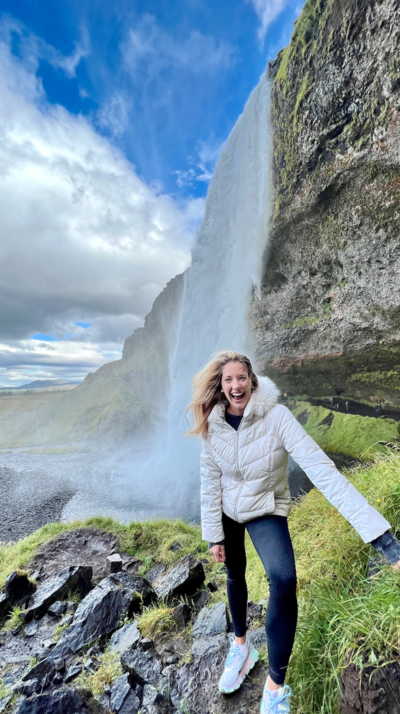
Sarah O'Keefe is an adventure traveler based in Atlanta, GA. She’s deeply passionate about nature, outdoor experiences, and slow travel, and has chased wildlife and wild places across 6 continents.
After completing her B.Sc. in Animal Sciences, Sarah spent years working in conservation before transitioning to a corporate job and catching the travel bug. In 2023, she quit her job, sold her belongings, and bought a 1-way ticket to go backpacking for 8 months in Asia and Oceania. Her blog, Wait, Where Is She? is a platform dedicated to finding the adventure travel experiences, wildlife travel, and nature destinations that are actually worth the flight.
Featured in


This is embarassing, but...
I spend ALL my time finding the world's best adventure travel experiences and iconic wildlife destinations—not the ones that look good online, the ones that are actually worth it.
Get the good stuff sent straight to your inbox!

pretty please with sugar on top

