
Monterey to Big Sur ITINERARY: 6-day road trip on California’s Pacific Coast Highway

Join our email list!

April 13, 2026


California has plenty of beautiful road trips, but the Monterey to Big Sur stretch has to be one of the best in the entire United States—especially if you’re obsessed with nature and wildlife like I am!
In about 200 miles of coastline, you’ll find towering redwood trees, sea otters floating in kelp beds, purple beaches, seaside cliffs lining the Pacific ocean, whales breaching in the sun, and even a waterfall that crashes directly into the sea.
My solo Pacific Coast Highway (PCH) campervan trip focused on a Monterey to Big Sur itinerary, and if you love wildlife, kayaking, snorkeling, picnics with ocean views, and relaxing outdoors, this is the California road trip for you. You can use this itinerary to plan a trip exactly like mine, pick from it like an à la carte menu (I’m breaking down what is and isn’t worth it), or as part of a larger PCH road trip between San Francisco and the “end” of Big Sur at Ragged Point.
Before we jump in, know that this California road trip threw me more than a few curveballs: freedom camping in California is way more restricted than I expected, campsites book up fast, and the PCH south of Big Sur was closed during my trip.
This guide includes my 6-day Monterey to Big Sur itinerary, but also the mistakes, route changes, must-sees, campsites, logistics, and things I really wish I’d known before I went (and one of these is a total trip ruiner—don’t skip the “what I’d do differently” and “worth knowing” sections!).
Here’s my complete 6-day Monterey to Big Sur campervan itinerary.
6-day Big Sur itinerary overview
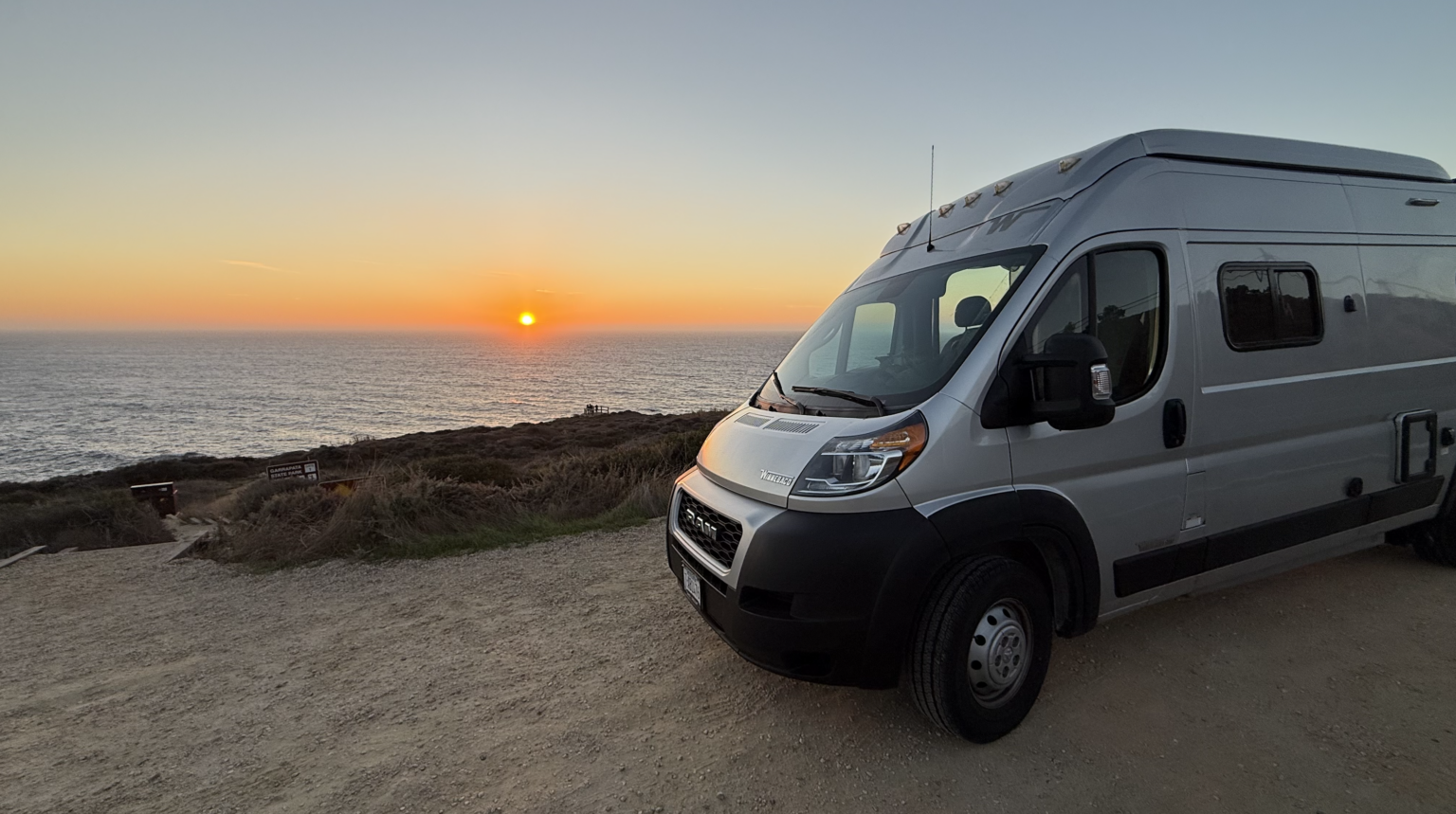
One of the beautiful things about this road trip is that there’s actually very little driving, and almost all of it is scenic. This itinerary covers going from San Francisco or San Jose as a starting point down to San Simeon’s Ragged Point (the southern tip of Big Sur) and that stretch is about 4-5 hours of driving total. So with 6 days, I never drove more than an hour each day!
- Day 1: San Francisco/San Jose/Santa Cruz: Van pickup, groceries at Trader Joe’s, In-N-Out
- Day 2: Monterey: Elkhorn Slough Marine Reserve kayaking, snorkeling in the kelp forest in Monterey
- Day 3: Monterey: Monterey Bay Aquarium, whale watching tour, city exploration
- Day 4: Big Sur: Bixby Bridge, McWay Falls, Julia Pfeiffer Burns State Park (purple beach)
- Day 5: Big Sur: Nepenthe, Garrapata State Park, Point Lobos State Natural Reserve
- Day 6: Drive back to San Jose/San Francisco
California’s Pacific Coast Highway road trip: 6-day itinerary
Day 1: Arrival: Van pick up, Trader Joe’s stock up, In-N-Out, camp
This Monterey to Big Sur itinerary starts the way all good California trips should: with an animal style cheeseburger at In-N-Out. If you’re renting a campervan like I did, I found it was cheaper to fly into San Jose rather than San Francisco. Plus, it cut down on a bit of the drive time because San Jose is further south.
Day 1 is really just about arrival and prepping for your road trip, and I don’t recommend trying to do too much. I flew 6 hours from the east coast, so by the time I arrived the most I had in me was to pick up the van, grab dinner, grocery shop, and drive about 45 minutes south to my first campsite to set myself up for a great day 2.
- Picked up my 21-foot Winnebago Solis (I rented on Outdoorsy and had a great experience!)
- Hit the Trader Joe’s with my already-planned-out list of meals for the week (I recommend just doing 1 big stock up here for the week because there isn’t much for groceries in Big Sur, and you don’t want to waste any time grocery shopping later!)
- In-N-Out animal style cheeseburger as the official trip kickoff
- Drive to Santa Cruz / Monterey Bay KOA Holiday, settle in, have a cozy first night
Day 2: Kayaking with sea otters, snorkeling in the kelp forest, and sunset on the beach
Morning
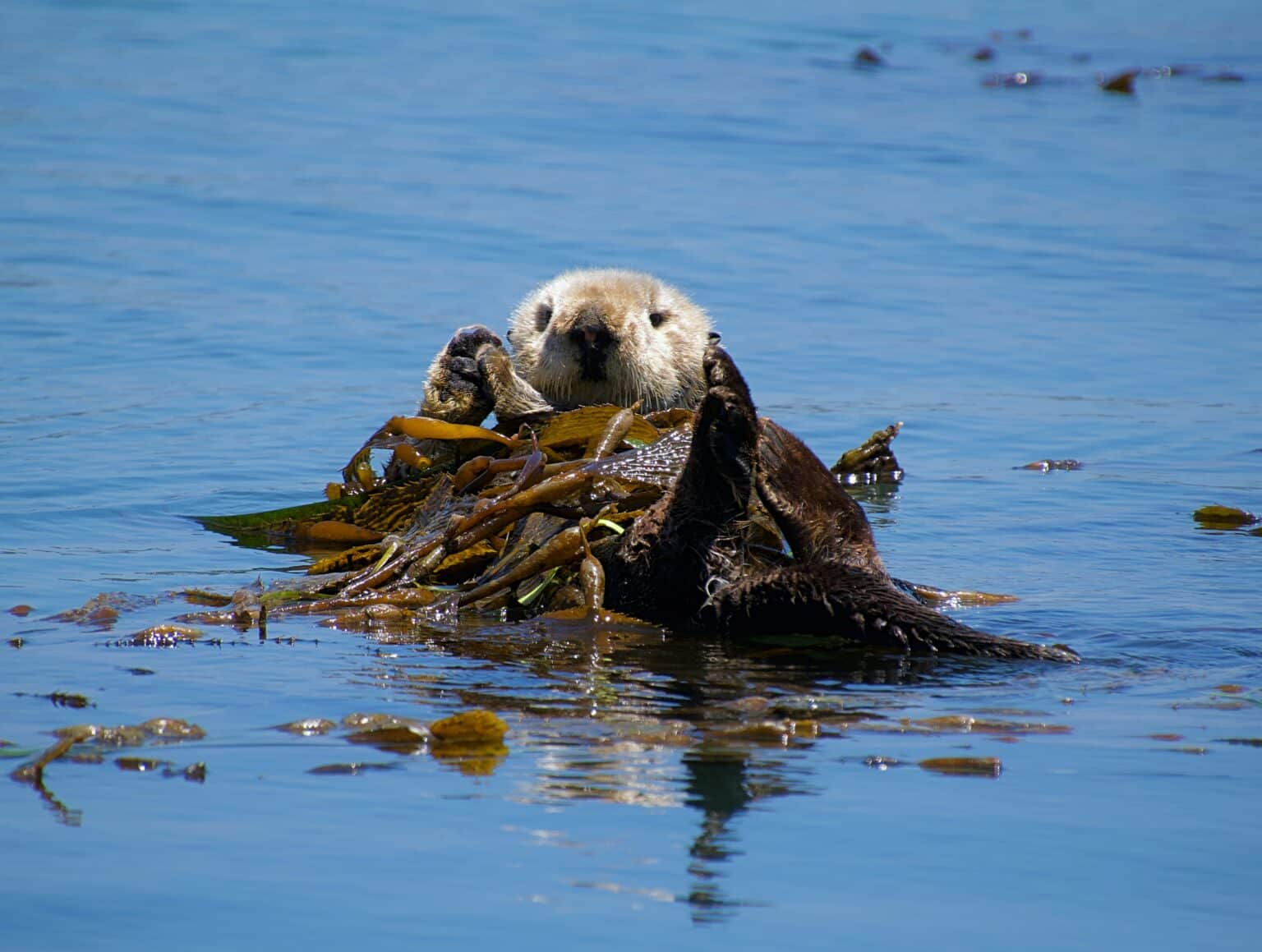
After breakfast in the van, I drove 25 minutes (15 miles) to Elkhorn Slough Marine Reserve, which is on the way to Monterey. This dreamy tidal estuary has perfectly calm water and is home to 16 endangered species! I saw seals, otters, birds, and more on this affordable hour and a half guided kayaking tour of the reserve. If you want to see sea otters in Monterey during your trip, stopping at Elkhorn Slough is a great way to get up close before you continue to Monterey Bay.
Drive 22 minutes (19 miles) to Monterey, early lunch in the van.
Afternoon
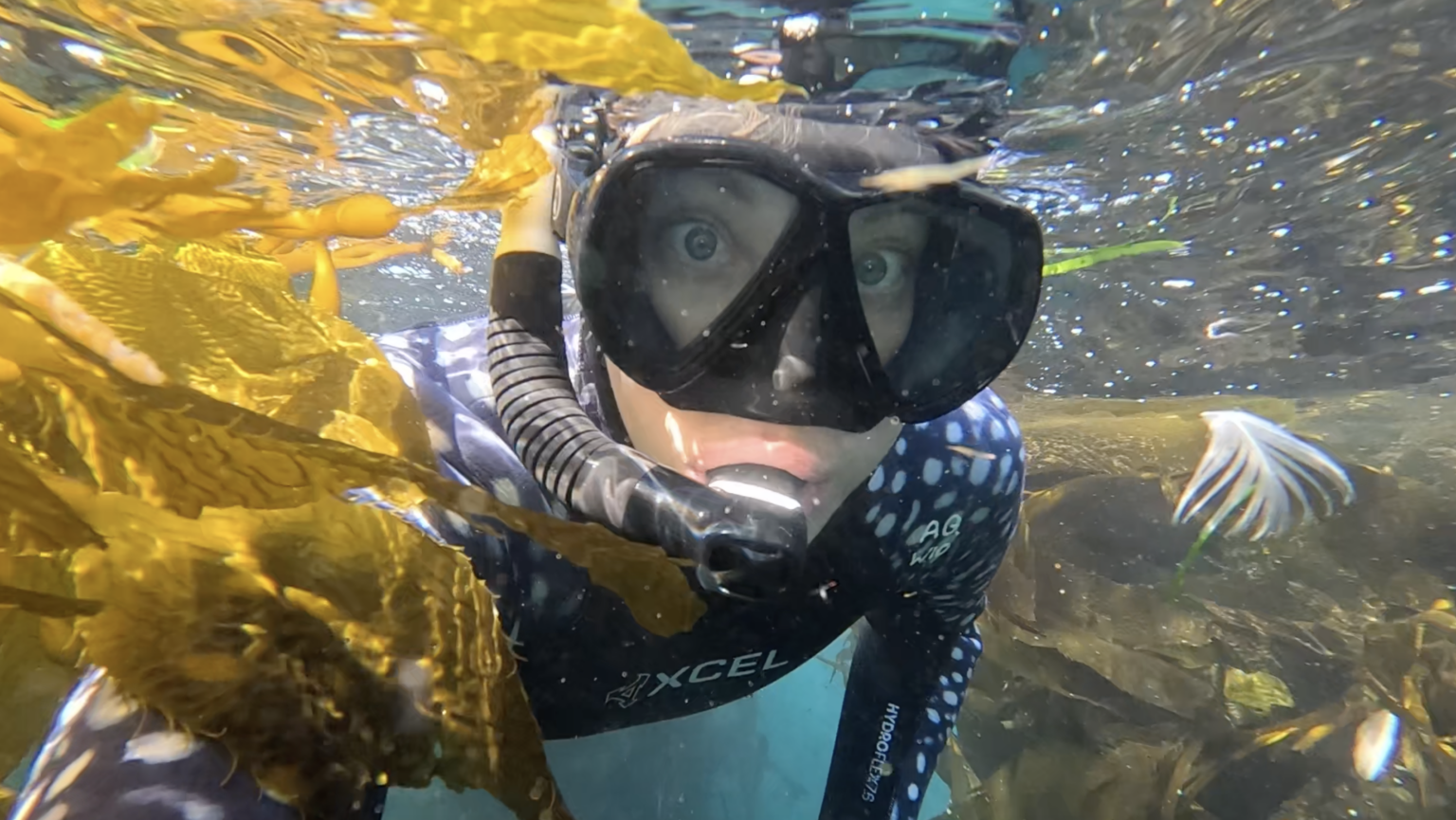
One of the BEST things I did on my entire trip was snorkeling in the Monterey kelp forest with Monterey Expeditions. They also offer scuba diving, but this time of year is a little chilly for me in the Pacific to be underwater for an hour (and my #1 priority was to have a chance to see the sea otters in Monterey, who mostly hang out at the surface)!
From the second I arrived to the second I left, this was a top-notch snorkeling and freediving experience. I’ve traveled all over the world and visited more dive and snorkel shops than I can count—I’ve honestly never had such a thorough, fun, and personal experience! The guide and I had some great chat, shared some laughs, and he took great care to point out incredible things while we were in the water. This was a highlight of my trip and you can book it right here!
Drive 15 minutes to Marina Dunes RV Resort for as close to beachfront as you can get with the safety of an RV park!
Evening
Have a relaxing dinner at the campsite, then grab a book and head 5 minutes over to Marina State Beach at sunset!
Worth knowing
For the snorkeling experience, you should be comfortable in the water and a strong swimmer. You’re out in a wetsuit so you’re pretty buoyant, but you’re snorkeling for over an hour and we fought a bit of current getting back to shore at the end.
You’ll want to book both the kayaking tour and the snorkeling trip ahead of time, especially in summer when spots can fill up quickly in advance. I went in December and even though it was gorgeous, sunny, and warm, I was the only one on both tours!
Day 3: Monterey: Whale watching, Monterey Bay Aquarium, city tour & cute cafes
Morning
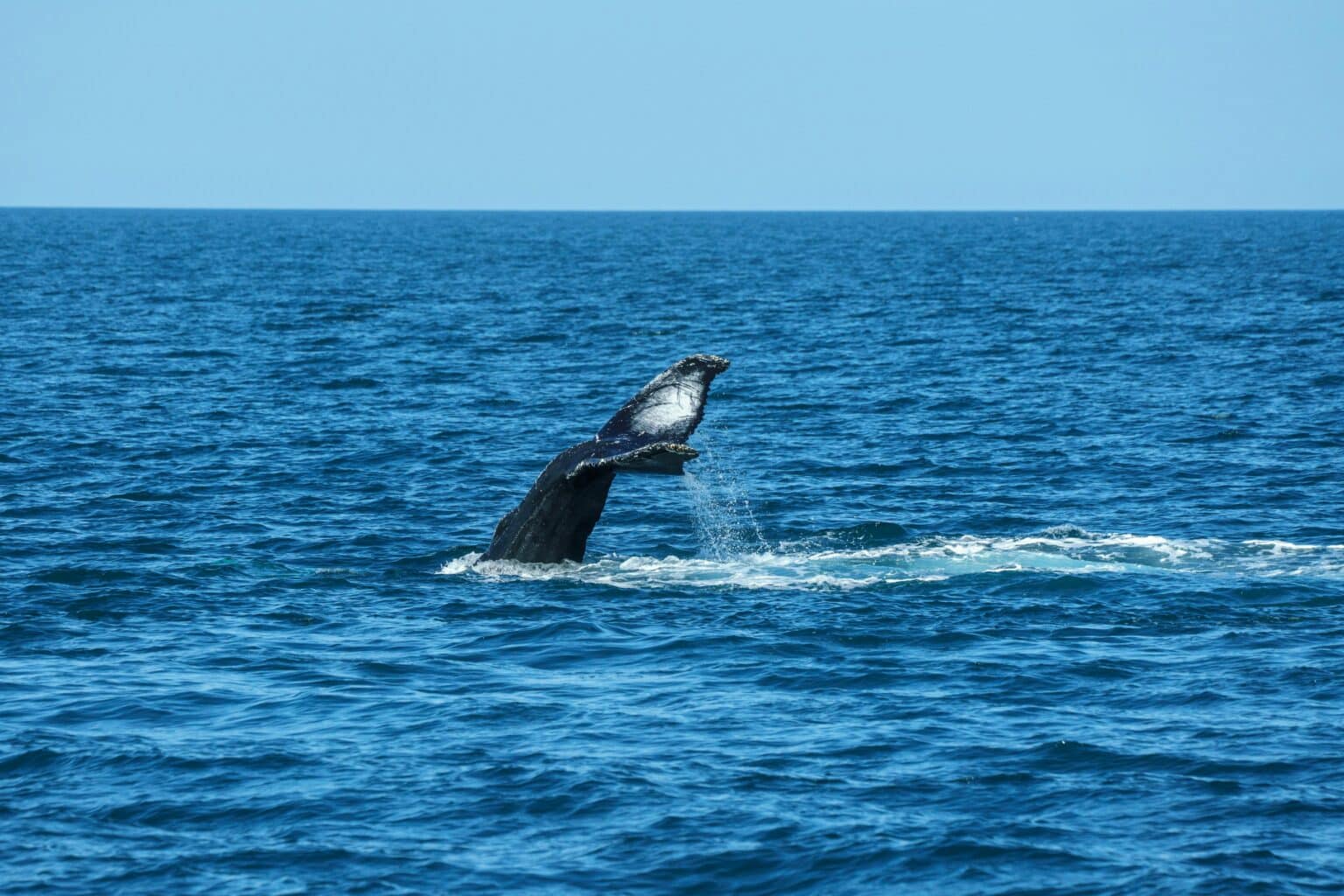
After a beachy breakfast in the van, I drove 15 minutes to the Fisherman’s Wharf to meet up for whale watching with Discovery Whale Watch Monterey. Give yourself plenty of time to find the place, because I almost missed it and they left right on time! You’ll see a lot of signage on the wharf for whale watching and it can be confusing to tell where you’re supposed to be.
Afternoon
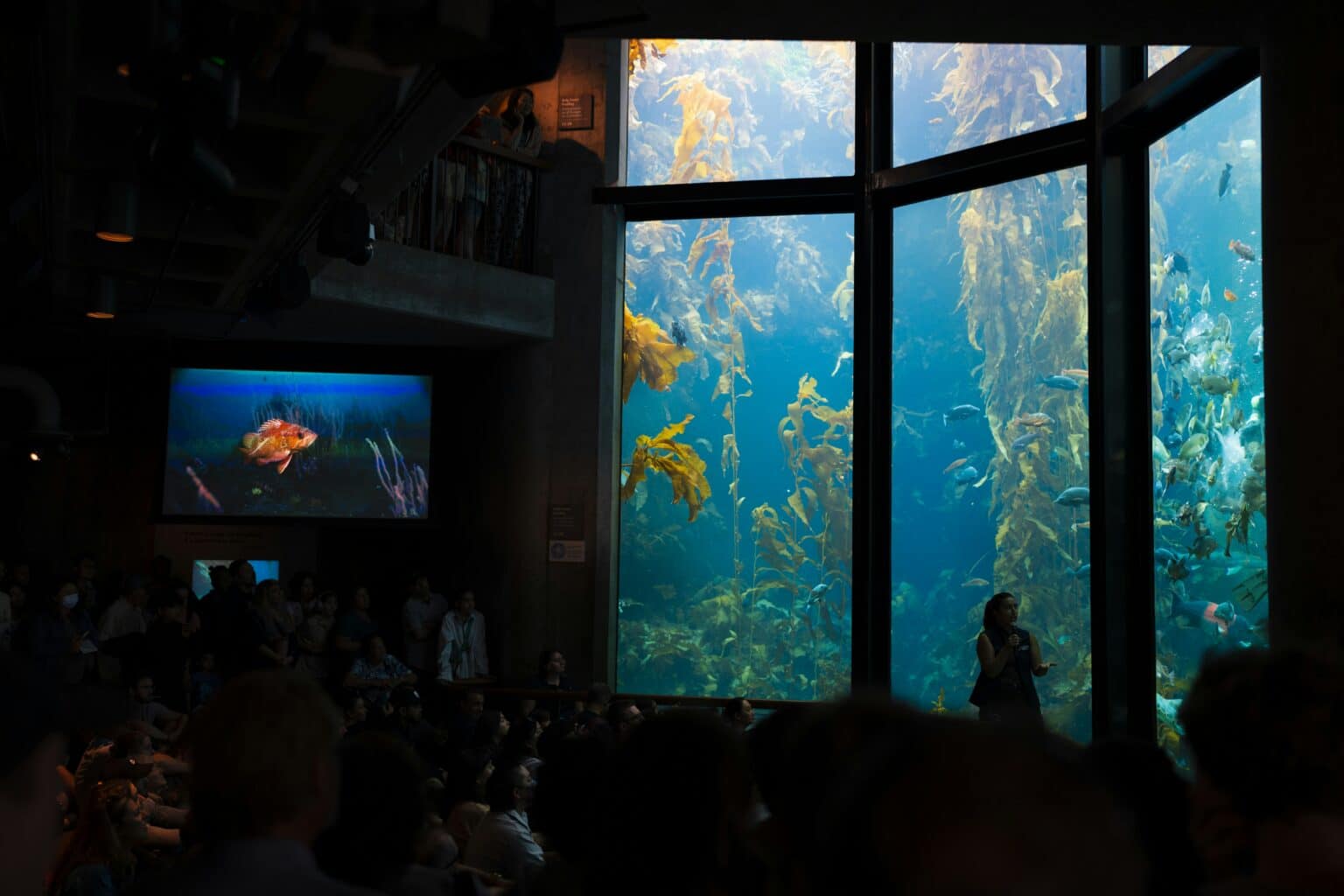
Walk 30 minutes to Monterey Bay Aquarium or drive 5ish if you must. I paid for all-day parking at the Wharf and didn’t want to fuss with trying to find more parking in the city. The roads are narrow and parking was limited, so I recommend doing it my way! On the way, stop for lunch at El Torrito, a yummy Mexican restaurant with incredible views. I saw dolphins from the window while I was eating!
Evening
Drive 45 minutes (30 miles) to Big Sur and check into Big Sur Campground. Note: pretty quickly after you leave Monterey, YOU WILL LOSE ALL CELL SERVICE! Make sure you have offline maps downloaded and have any bookings or plans for the following days in order, because it’s about to be a total internet blackout! It was a pretty sunset drive along the PCH and I drove over the famous Bixby Bridge on my way to Big Sur Campground, which took me by surprise!
Worth knowing
Parking was easy right by the Old Fisherman’s Wharf at the Waterfront Lot. Save yourself the trouble and just pay for all day parking—it was simple with the Park Mobile app and I didn’t have any issues finding a spot! I hate driving a van in the city and even worse, having to struggle with parking, so I was super grateful to find an easy lot to park in.
Day 4 and 5: Big Sur (Pfeiffer Beach, McWay Falls, butterflies, hikes, sea otters, picnics, and more!)
Day 4 and 5 in Big Sur are really “choose your own adventure” because there is a ton to see and do, but nothing requires reservations or hurrying. Here’s everything I did in Big Sur and my take on what was and wasn’t worth it (some of this may surprise you, but it’s just my personal opinion and you’re free to disagree and see for yourself!)
Pfeiffer Beach (purple sand)
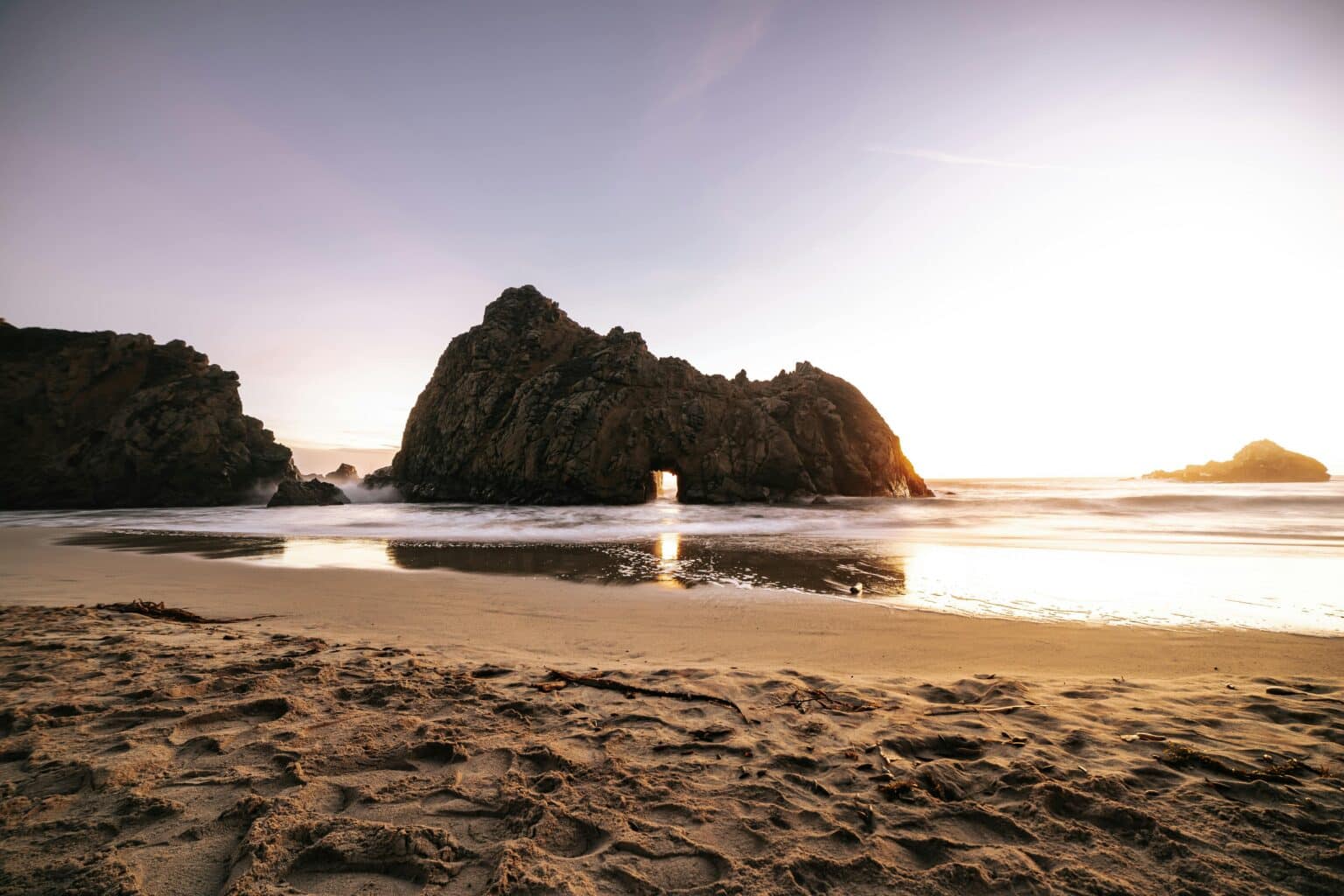
Pfeiffer Beach is tucked away at the end of Sycamore Canyon Road. Be warned: this super narrow, unmarked turnoff is on the west side of Highway 1 (about 1 mile south of the Big Pfeiffer Big Sur State Park ) and I missed the entrance twice when I was trying to find it!
This may be controversial, but this wasn’t worth the stop for me. The purple comes from magnesium eroding on the cliffs, so calling the sand purple is a bit of a stretch. It’s more like streaks of purple (and only happens occasionally), so I feel like calling it a purple sand beach is misleading if you’re thinking it will be like black or red sand beaches. If you want to drive down a narrow road to relax on a beach, you’ll enjoy it! But if you’re expecting to see novel purple sand, you may be disappointed. If you’re committed to seeing the purple sand streaks, your best shot is to go after it rains!
Bixby Bridge
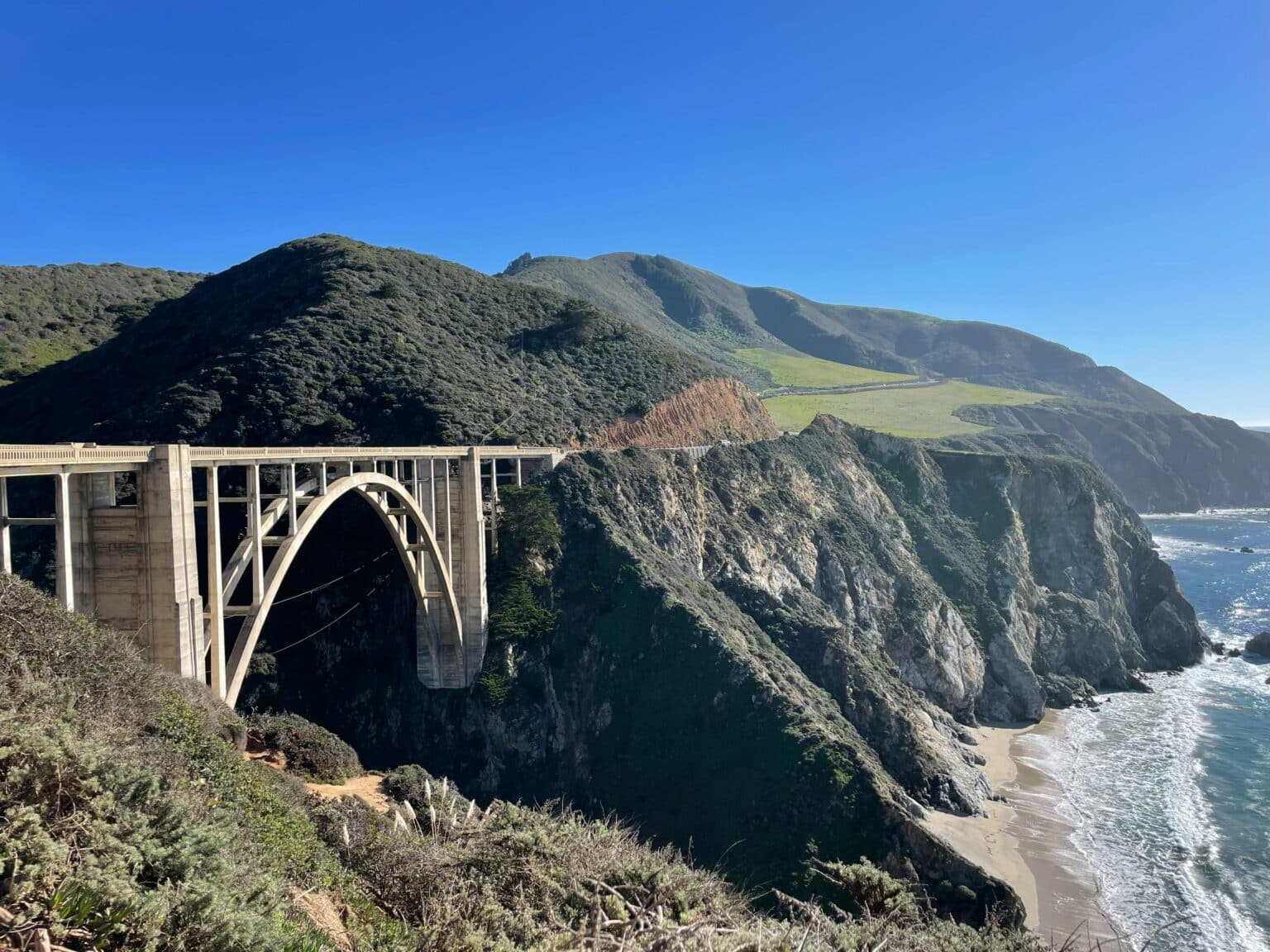
Bixby Bridge is even more impressive in person than in the photos! I’m not particularly into architecture or engineering, but it’s one of the tallest single-span concrete arch bridges in the world and one of those apparent “must stops” in Big Sur. Honestly, I don’t often bother with things like this that attract huge crowds for no real reason, but I actually enjoyed chatting with other happy road trippers at this stop and was surprised how beautiful the bridge is in person.
Julia Pfeiffer Burns State Park and McWay Falls
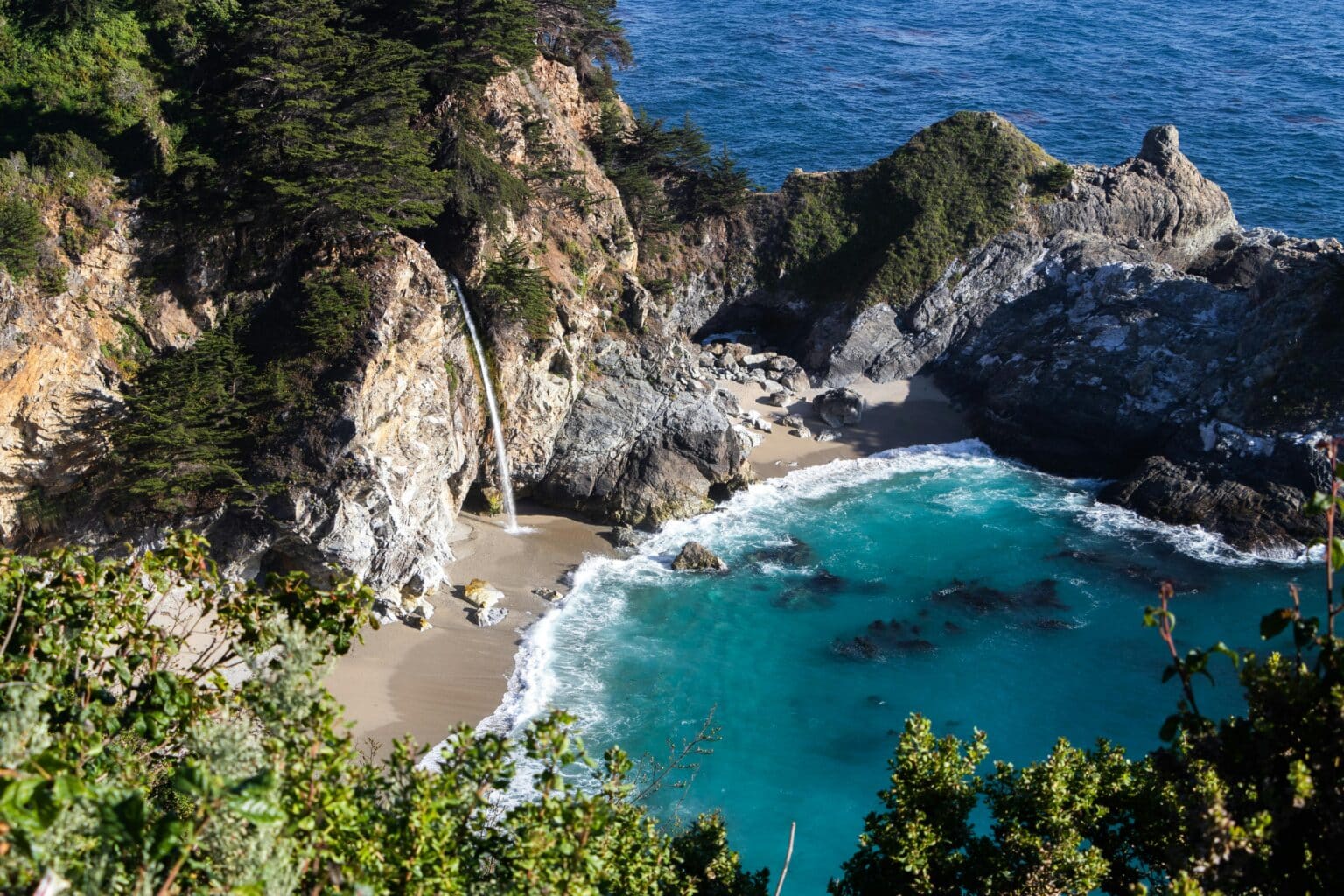
This special tidal waterfall is right outside Julia Pfeiffer Burns State Park entrance, so do them together or just stop for a look at the falls!
Andrew Molera State Park (see thousands of monarch butterflies if they’re in season)
From October-February, monarch butterflies are famously migrating through here and overwintering in the eucalyptus grove near the historic Cooper Cabin and the Big Sur River in Andrew Molera State Park. Due to faulty planning, I missed all but a few stragglers and suggest you look for live updates on their migration on social media to time it better than I did!
If I’d had more time, I’d have loved to go to Pacific Grove (about 30 miles north of Big Sur) to visit “Butterfly Town, USA” aka the Pacific Grove Monarch Butterfly Sanctuary where you can walk guided paths and find tons of monarchs.
Garrapata State Park (California Sea Otter State Game Refuge)
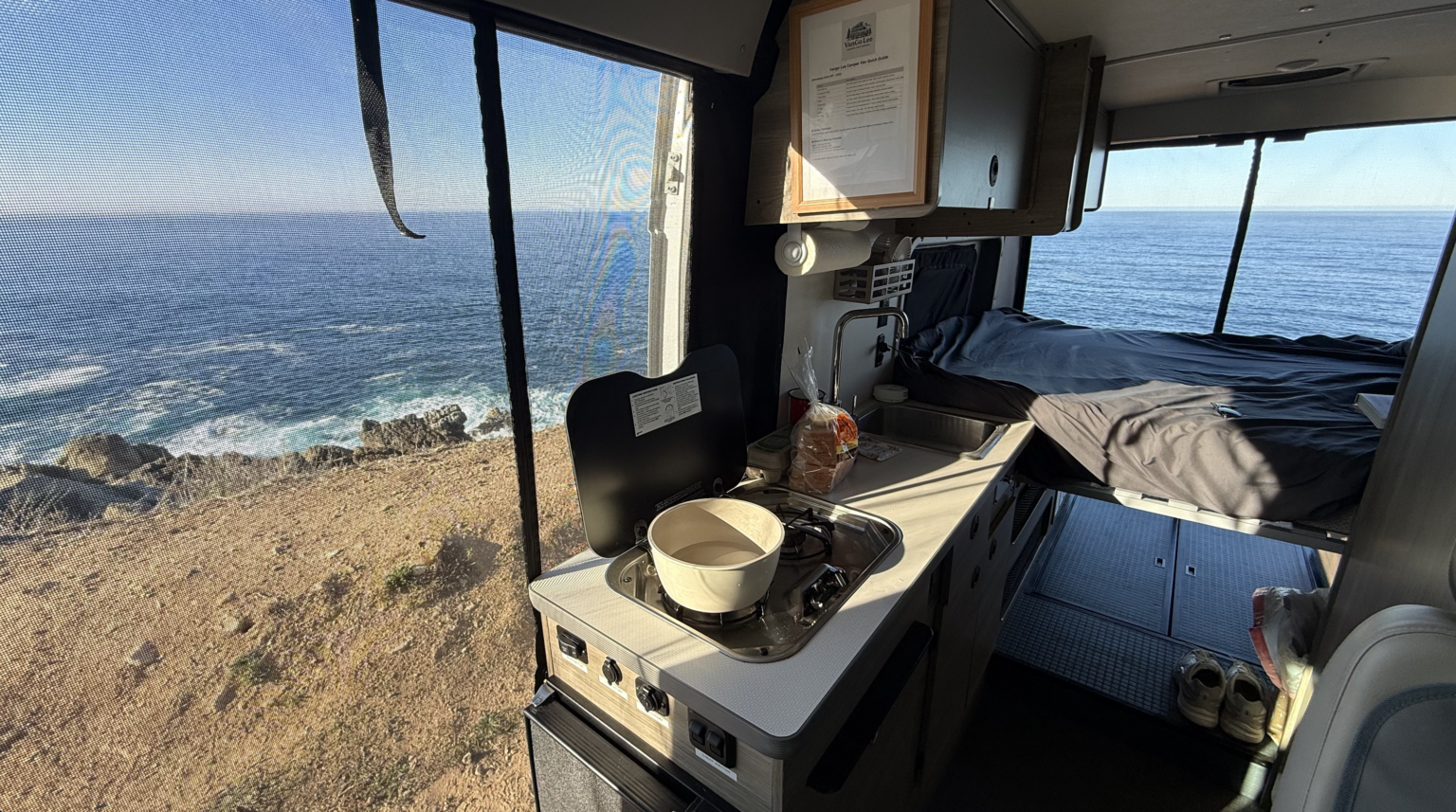
This was my actual favorite thing. It’s so scenic, and there are seaside hiking trails between the pull offs and the sea bursting with flowers, cactuses, and the occasional butterfly. I parked and threw open the van doors, cooked lunch, read from my bed looking out over the ocean, and watched for sea otters.
Point Lobos State Natural Reserve
Point Lobos State Natural Reserve is ~3 miles south of Carmel-by-the-Sea and has great hiking, wildlife, and sandy little beach coves that I actually had all to myself! I went there especially to see Sea Lion Point, where—you guessed it—tons of sea lions hang out! I also had a great time on a quick loop hike, the Bird Island Trail, which is just under a mile and takes you to a great little beach with clear, sparkly greenish blue water! This loop also includes China Cove, where you may get to see harbor seals!
Other Big Sur road trip stops
- Nepenthe (famous Greek restaurant in Big Sur with gorgeous views)
- Salmon Creek Falls (another less-visited waterfall)
- Point Sur Lighthouse (obligatory photo op in Big Sur if you’re into that kind of thing)
I loved all the planned things I did earlier in the trip—snorkeling in the kelp in Monterey, kayaking with sea otters, whale watching—but the days in Big Sur were just as fulfilling in a quieter way.
Wandering without an agenda is important for my soul. Having no obligations and nowhere to be, just me, the sun, and the sea (Dr. Seuss here!).
Day 6: Drive back to San Jose/San Francisco: Cute cafe, return van
I had to catch a flight that left at noon, so the last day was a straightforward matter of driving back to San Jose, grabbing a quick breakfast at a cute cafe, returning the van, and heading to the airport.
Planning a California coast campervan trip: What I wish I’d known or would do differently
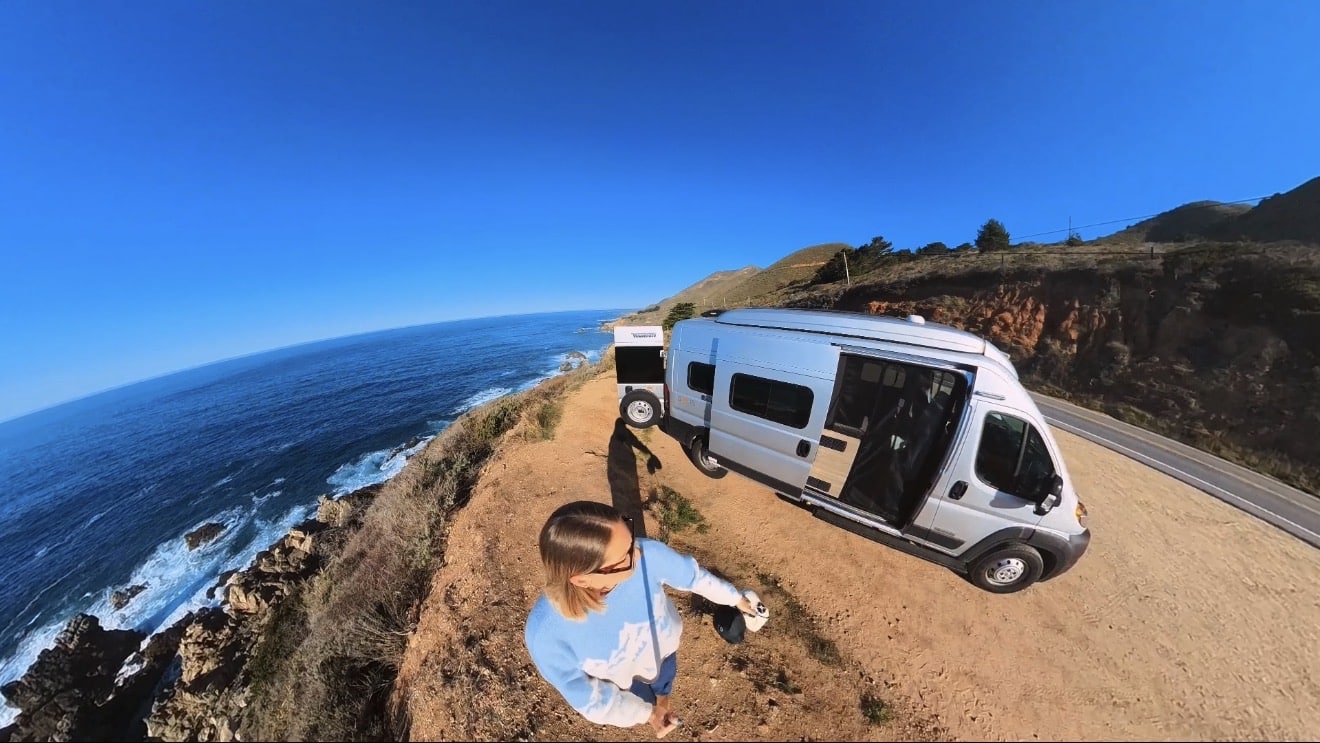
I go into a ton of detail about the many mistakes I made on this California roadtrip and what I’d do differently next time in this blog about my best tips and advice for a PCH roadtrip, but here are a few high level suggestions. Check out that blog next!
Check PCH closures and conditions
Check the PCH highway conditions here to make sure you’ve accounted for any closures. I wish I’d taken a look at this in the weeks and days before I arrived, but it never occurred to me that parts of it would be closed from the recent California wildfires (which happen frequently!).
Freedom camping in California is more restricted than you think
When I got the van, I was apparently very silly to think I could just pull off and park for the night at a pull off or shoulder. I’ve taken several magical campervan trips (like this once-in-a-lifetime campervan trip in New Zealand!) and had no idea how restricted it is in California!
Apparently this is a huge misconception by people doing road trips on the PCH and unfortunately, I got got on this one. I know that some people choose to stealth camp, but I simply don’t like the idea of risking the ticket, and the anxiety I would have overnight about getting caught just isn’t worth it. Plus, at a holiday park I have so much peace of mind as a solo female traveler!
Book your campsites in advance—seriously
I learned this one the hard way. Campsites in California book up fast, and there were several that I tried to frantically book the day of that were already sold out. This is especially true for the coastal holiday parks, and it ended up being a huge unexpected expense on my trip (we’re talking almost 500 bucks!).
If you’re going down to San Simeon, you may want to go a bit further to Los Padres National Forest to camp for free if you’re on a budget. Again, check out the rules for fire danger and other regulations before you make the drive down!
Download offline maps before you get near Big Sur
This is my #1 non-negotiable tip for a PCH road trip that passes through Big Sur: download offline maps before you get near Big Sur.
Again, I was kind of winging it on this trip and didn’t know that there wasn’t service in Big Sur. And I don’t mean “dang, the service is slow!” I mean a total blackout where nothing works.
I was almost to Big Sur campground using my navigation by the time I realized this (but because I was mid-navigation, it never cut out)! I tried to make a call and quickly realized everything was toast. When I arrived at the campground, they told me it’s like this in the entire stretch of Big Sur.
I had to pay $20 for crappy wifi at the campground that only works if you’re sitting outside the tiny camp store, and that’s where I called my boyfriend and family to let them know I was alright and downloaded my offline maps. If you’ve never downloaded an offline map for your iPhone before, here’s exactly how to do it!
What to expect in December on the California coast
In December the weather was better than I could have imagined! I hiked in shorts and t-shirts and tossed on a sweater or hoodie in the mornings and evenings. Crowds are much lower than in the other seasons, and best of all, it’s prime time for wildlife with the butterflies overwintering and gray whale migration.
Where to stay in Big Sur (Campgrounds on this route)
I already touched on this earlier, but freedom camping is impressively restricted all along this route, so I stayed in holiday parks. If you’re smarter than I am and book in advance, I think you can find much more affordable places to camp for the night than the large, pricey holiday parks I stayed in.
They were really nice, but because I was in a self-contained van solo on a short trip with plenty I planned to do (and little time spent at the site I was sleeping at) I simply didn’t need the amenities I was paying for—laundry, swimming pools, etc—and would have preferred something more affordable and simpler.
You can use HipCamp to find options more in the $40-60/night range if you’re looking for that simpler vibe. I’m also a member of HarvestHosts, which is like Airbnb for vans, RVs, and campers. You’ll find people who will let you camp overnight on their properties at farms, wineries, etc. It’s included with your annual HarvestHosts membership, so if you do trips like this a lot it’s totally worth the membership price! Unfortunately I wasn’t able to use it because again, I didn’t think ahead for this trip and there wasn’t much available by the time I realized that I needed to reserve a spot.
If you want to stay exactly where I did, check out my detailed blog breaking down exactly where I camped during my Pacific Coast Highway here. All of these and they were lovely, safe, and in great locations if you don’t mind the price tag.
Who this California road trip is and isn’t right for
Best for: wildlife lovers, road trippers, slow travelers, people who cook (there are hardly any restaurants in Big Sur), and everyone from solo travelers to families
Not ideal if: you need wifi or cell service, are looking for restaurants and nightlife, have mobility/accessibility restrictions that make it hard for you to go kayaking, snorkeling, and hiking, or aren’t a fan of road trips and the outdoors
Meet the author
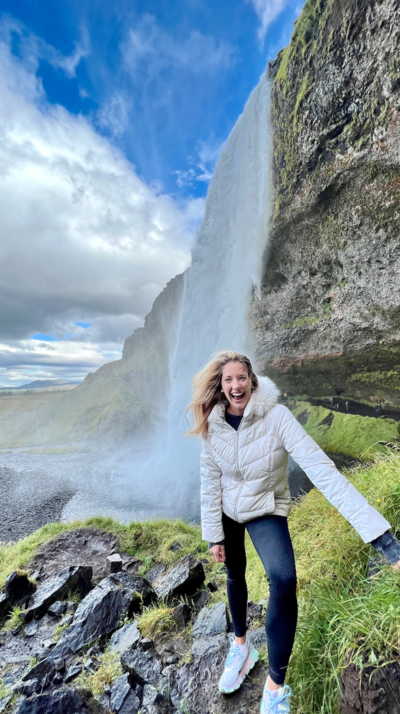
Sarah O'Keefe
Sarah O'Keefe is an adventure traveler based in Atlanta, GA. She’s deeply passionate about nature, outdoor experiences, and slow travel, and has chased wildlife and wild places across 6 continents.
After completing her B.Sc. in Animal Sciences, Sarah spent years working in conservation before transitioning to a corporate job and catching the travel bug. In 2023, she quit her job, sold her belongings, and bought a 1-way ticket to go backpacking for 8 months in Asia and Oceania. Her blog, Wait, Where Is She? is a platform dedicated to finding the adventure travel experiences, wildlife travel, and nature destinations that are actually worth the flight.
Featured in


This is embarassing, but...
I spend ALL my time finding the world's best adventure travel experiences and iconic wildlife destinations—not the ones that look good online, the ones that are actually worth it.
Get the good stuff sent straight to your inbox!

pretty please with sugar on top

