
Where to go scuba diving in Egypt (no liveaboard!): Choosing between Marsa Alam, Sharm, Dahab, & Hurghada

Join our email list!

November 1, 2025


Ask most people what their plans are while visiting Egypt and you’ll hear exactly what you’d expect: explore the mysterious pyramids, cruise down the Nile, and explore temples, hieroglyphics, and the Valley of Kings from Luxor to Aswan.
All incredible, all deservedly famous.
But if you happen to fall into the very small, very unhinged slice of the population that’s certified to breathe underwater for fun, Egypt’s biggest draw isn’t on land—and it’s much more ancient and mysterious than the human civilization that draws so many visitors to Egypt!
The Red Sea has been at the top of my personal dive wish list for years, and the question was never whether to go scuba diving in Egypt—it was where to go scuba diving in Egypt. Because once you start researching, the options multiply like bunnies in spring time.
Hurghada? Marsa Alam? Dahab? Sharm el-Sheikh? House reefs or boats? Pelagics and charismatic megafauna or pristine coral gardens? Beginner-friendly or current and adrenaline dives? And perhaps most importantly: do you really need to do a liveaboard to experience the best of the Red Sea?
Between recent, highly publicized liveaboard accidents and the reality that not everyone wants to spend a week sleeping in tight quarters, sharing showers, and stuck at sea, many divers are asking a different question: How good is land-based diving in Egypt, really?
Spoiler: exceptionally good! This guide breaks down Egypt’s best shore-based scuba diving destinations—what the diving is like, what marine life you can realistically expect to see, who each destination is best for, and how to choose the right one for you!
Let’s dive in (sorry, I had to say it just once!).
This guide is part of my Best Scuba Diving Destinations in the World series, where I break down the world’s top dive destinations—what you’ll see, who they’re best for, and when to go. From seeing charismatic megafauna to adrenaline dives to the best beginner-friendly spots, you’ll want to add these to your dive bucket list!
Why is the scuba diving in Egypt so special?
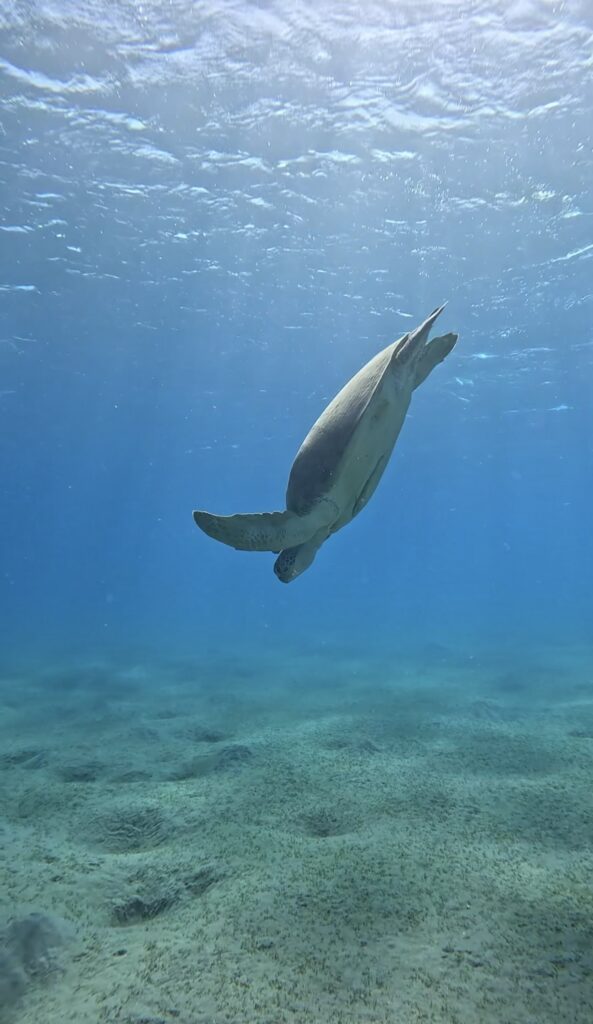
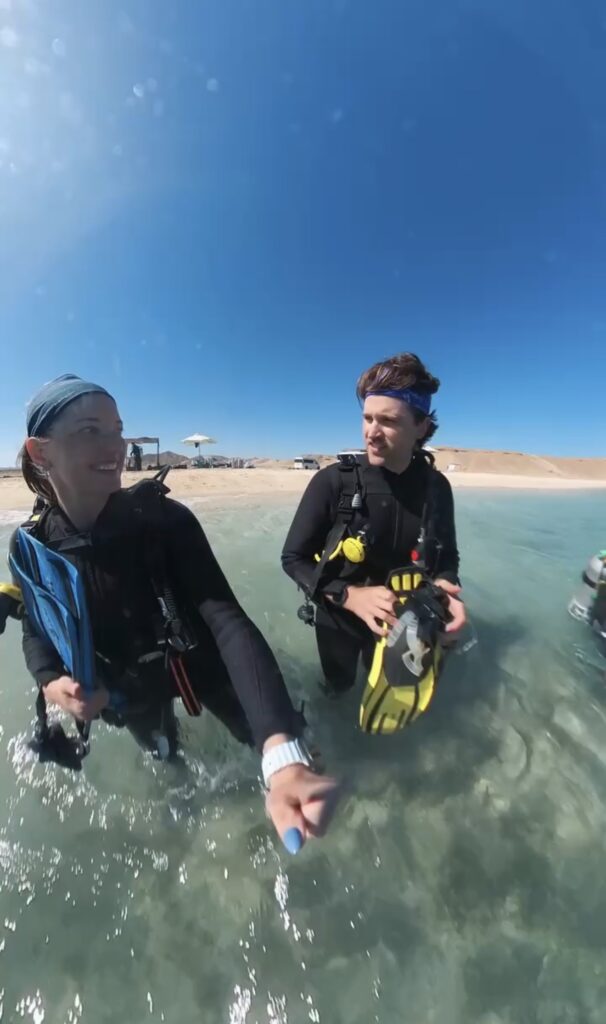
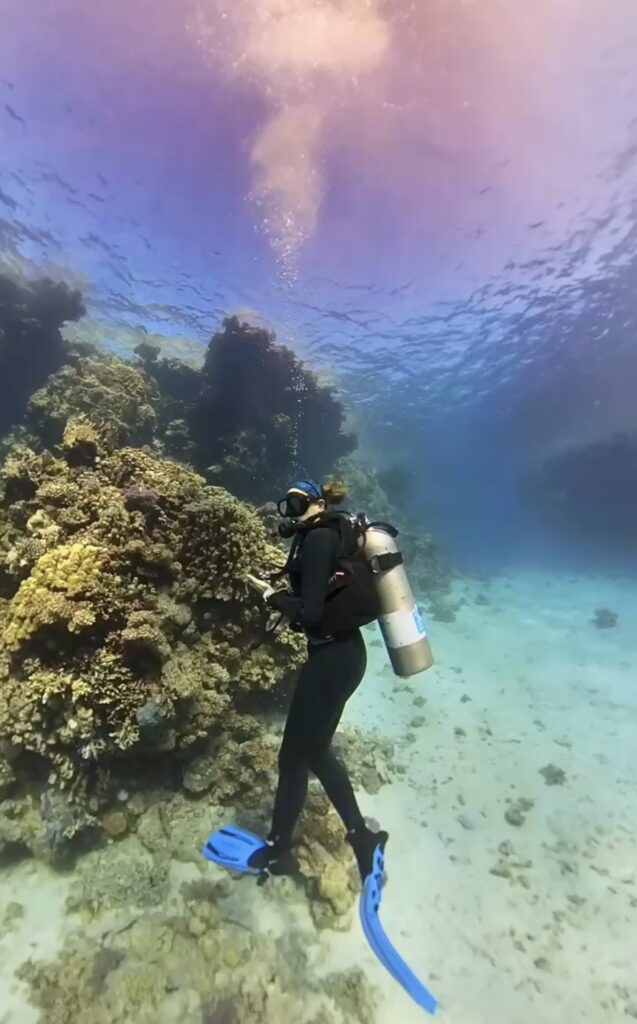
The Red Sea has gin-clear visibility, warm water year-round, and a gloriously sharky reputation—seriously, nearly 50 of these elusive cuties (read: shark species) call the Red Sea home! It formed from the tectonic splitting of the African and Arabian plates 30 million years ago, and its only inlet today is the Indian Ocean. As a result of its isolation, Red Sea experienced the an absolute explosion of biodiversity, and 10% of the species found in the Red Sea can’t be found anywhere else on Earth!
BEST scuba diving in Egypt (NO liveaboard, shore diving!)
Where to go scuba diving in Egypt: Factors to consider and how to decide
You’ll want to consider the following when you’re deciding where to go scuba diving in Egypt:
- What you have the most fun doing (duh!) and what you want to see underwater
- What you’re qualified to do
- What you want in a dive destination other than diving
For example, I’m an Advanced Open Water diver and I’m a megafauna girly. I want warm, clear water where I can cruise over healthy corals and see sharks, rays, dolphins, mantas, tropical reef fish, and generally big charismatic marine life! I also wanted my dive trip to feel like a relaxing nature retreat, as I was escaping the cacophony of honking horns and unrelenting smog of Cairo. For me, Marsa Alam was a perfect match!
Consider the following questions for yourself, and then we’ll dive into what each spot has to offer so you can decide on the best fit for you!
What kind of diving do you like? Wrecks, deep dives, shallow tropical dives, dives with pelagics and megafauna, muck dives?
What’s your certification? Are you open water, advanced open water, a trained wreck penetration diver? How many dives do you have? Some places have more advanced sites than others with minimum dive requirements.
What overall vibe are you looking for? Are you an eat-sleep-dive-repeat diver looking for relaxed seclusion and a nice house reef, or are you looking for a more built up destination with nightlife and markets? Or maybe somewhere in the middle?
Scuba diving in Marsa Alam
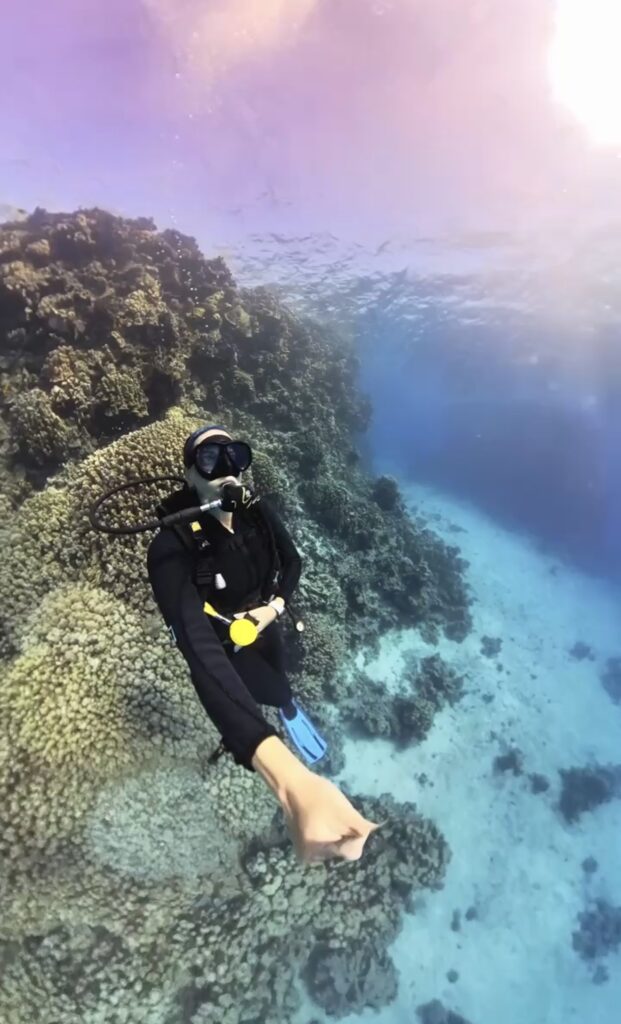
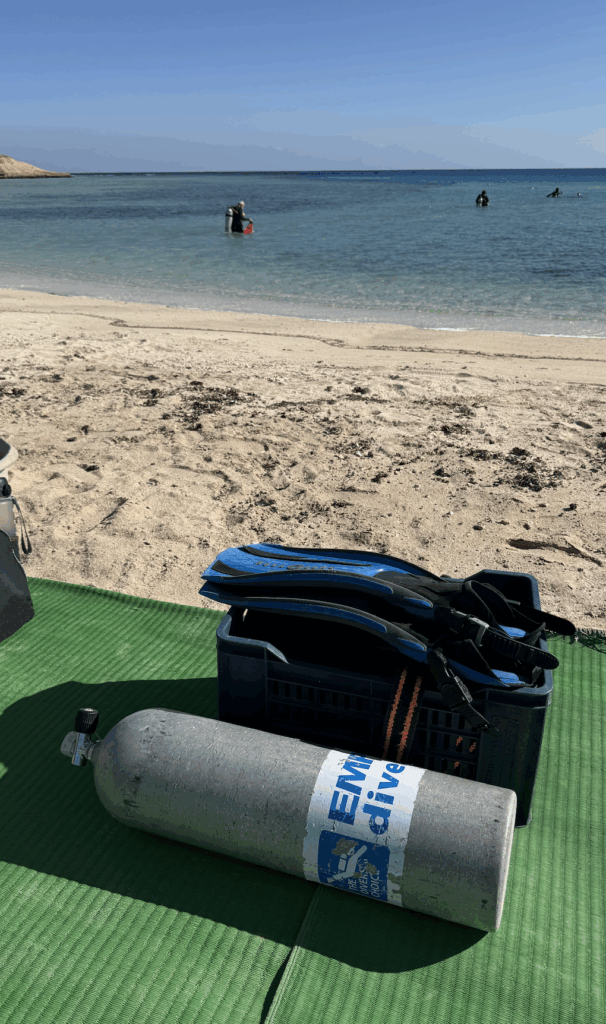
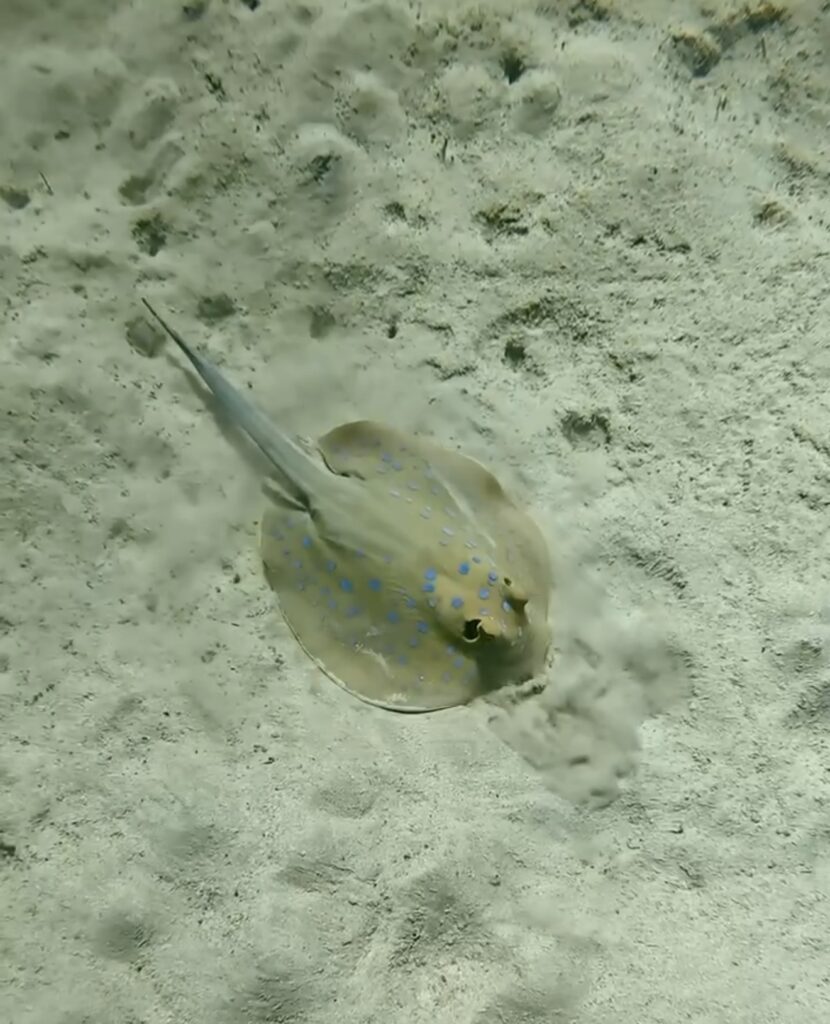
Marsa Alam is the mellow, nature-forward corner of Egypt’s Red Sea. It’s quiet, remote, and perfect for divers who want to feel like they’re on a retreat. What I loved about diving from a PADI dive resort in Marsa Alam was the feeling of a liveaboard (eat, sleep, dive!) without the restrictions and downsides of being stuck at sea.
Another thing that makes Marsa Alam special is the house reefs you can find at the dive resorts. Want to take a quick solo dive or snorkel whenever you want right off your hotel beach? Marsa Alam is for you! At ours, people spotted mantas, sharks, and even dolphins. Aside from diving, you can explore the surrounding desert with dune hikes and guided nature walks.
Getting there: You fly into Marsa Alam International Airport (RMF), but logistics here are pretty DIY: there is almost no public transport, so you’ll definitely want to arrange a private transfer through your hotel or dive center. Once you’re settled, the trade-off is bliss: limited crowds, wild desert seascapes, and quiet eco-hotels perched on the sea.
What can you see? The diving is legendary because it gives you access to some of the best megafauna and coral diversity in Egypt, including playful spinner dolphins, green and hawksbill turtles, red sea anemonefish, moray eels, blue-spotted rays, and (in the right month) big pelagics like oceanic whitetip sharks, silky sharks, and even mantas!
The highlights:
- Sha’ab Samadai (Dolphin House): famous for resident pods of spinner dolphins, which you can snorkel or dive near in strictly managed zones. I squeezed in an extra day of diving on my trip to visit Dolphin House, and ended up only seeing dolphins once: from the boat as we were pulling away from the site after our last dive 😂 Regardless, the dives here are fun and colorful with endemic Red Sea clownfish, sea pinnacles, reef walls with huge brain corals, and even a cave swim through. I even saw a Napoleon wrasse here, which I’ve ALWAYS wanted to see!
- Elphinstone Reef: one of the most iconic Red Sea pelagic sites. Deep walls, currents, abundant soft corals, and a very strong possibility of seeing oceanic whitetip sharks in season from October-December. You can also sometimes spot hammerheads, though from a good distance above them as they cruise lower than you can dive with an AOW certification.
- Abu Dabbab Bay: calm, sandy-bottom bay with sea turtles year-round (and occasionally a rare dugong sighting). This was our first dive site in Marsa Alam, and we saw at least 10 turtles and a couple of gorgeous blue-spotted ribbontail rays!
Best season:
For sharks, mantas, and pelagics: October–December. I went in November and the water was lovely, but a bit cooler later in the day after getting out of the water. Just bring a windbreaker with you to put on after your dives! For the warmest water + calm conditions: April–June. For turtles: year-round, with nesting/surfacing peaks in summer.
If you do go to Marsa Alam, be sure to check out my comprehensive travel guide– it includes detailed information about Marsa Alam dive prices, who to dive with, where to stay, and important tips about getting around and how to save money on your trip!
One dive I’d never do again? I went scuba diving with dugongs in Coron, Philippines. Here’s 3 reasons I regret it.
Scuba diving in Sharm el-Sheikh
Sharm el-Sheikh is the opposite end of the spectrum: a highly developed, resort-heavy, nightlife-filled hub with some of the highest-volume diving in the entire Red Sea. The reefs closest to Sharm have suffered over the last decade from heavy diver pressure, anchoring, and mass tourism, so you’ll hear divers talk about degraded reefs near the city. But, the day-trip marine parks like Ras MohammedNational Park and the Straits of Tiran are still world-class with bright soft corals, drop-offs, schooling barracuda, giant trevallies, Napoleon wrasse, and occasional reef sharks.
Getting there: It’s super easy to reach: fly into Sharm el-Sheikh International Airport (SSH) and you’re 10–20 minutes from most hotels and dive centers. Sharm is the most polished and accessible dive destination in Egypt, which means great infrastructure, tons of dive operators, delicious food, markets, and after-dive activities… but also crowds. Lots of them.
What can you see? Sharm is wreck heaven if that’s for you (I detest wreck diving):
- SS Thistlegorm: arguably the most famous wreck in the world, loaded with WWII motorbikes, trucks, ammunition, railway cars.
- Dunraven Wreck: photogenic iron ribs, resident lionfish, and rich coral growth.
- Kormoran and Kingston: shallow, atmospheric, great for photography.
Best season:
Best overall conditions: April–June and September–November (warm water, great visibility, calmer winds). Thistlegorm is accessible year-round but weather can impact crossing conditions.
Scuba diving in Hurghada
Hurghada is the original mainstream dive city of Egypt and it’s awesome for beginners or divers getting back into it after a break. It’s a fully built-out resort destination with reliable conditions, easy reefs, and very beginner-friendly diving. The city is busy but less chaotic than Sharm, and it has a mix of nightlife, beach clubs, and big all-inclusive hotels.
Getting there: Fly into Hurghada International Airport (HRG) and you’re 10–30 minutes from nearly everywhere.
What can you see? The diving itself is classic Red Sea: extremely clear water, gentle conditions, colorful coral gardens, and an abundance of reef fish.
- Sha’ab El Erg (Dolphin House) isknown for regular dolphin encounters
- Giftun Island has pretty plateaus, swim-throughs, and pinnacles
- Abu Ramada and Carless Reef offer lush corals, blue-spotted rays, morays, scorpionfish, and schools of anthias. Turtles are common, and eagle rays and barracuda.
Hurghada is also a popular place for training, PADI courses, and easy warm-water dives, which means operators are used to all experience levels. If you want relaxed, easy diving rather than advanced drifts or deep walls, Hurghada is perfect.
Best season:
April–November for warm, calm water and amazing visibility. December–February can be windy and cooler but still totally diveable.
Scuba diving in Dahab
Dahab is Egypt’s laid-back backpacker dive town, known for simple beach cafes, desert mountains rolling straight into deep blue water, and world-famous shore diving. It’s a bit less remote than Marsa Alam, harder to get to than Sharm, and less beginner-friendly than Hurghada.
Getting there: Fly into Sharm el-Sheikh (SSH) and take a 2 hour taxi up the coast to this chilled-out Bedouin town. Compared to Hurghada and Sharm, Dahab is quiet, artistic, slower-paced. It’s awsome for divers who prefer community and simplicity over resorts, and a little more action than 0.
What can you see? Dahab’s claim to fame is the Blue Hole, a massive marine sinkhole dropping to over 100m, but the “Bells to Blue Hole” stays in safe depths (18–30m) and gives you reef walls, ethereal light, and pristine coral shelves. Canyon Lighthouse Reef and Eel Garden offer moody cavern crack dives, sandy bottom eel colonies, and bright reefs. You’ll probably see anthias clouds, blue-spotted rays, lionfish, morays, scorpionfish, unicornfish, turtles, and the occasional pelagic drifting by the outer reef wall. It’s not the megafauna capital that Marsa Alam is, but the geological features are unmatched, and the chill vibe draws serious divers back year after year.
Best season:
Spring and fall (March–June and September–November) for warmer water and calm weather.
Winter diving is possible but cooler; summer can obviously be HOT above water everywhere in Egypt.
Other scuba diving travel guides
If you’re looking for more scuba diving or outdoor adventure travel ideas, be sure to check out some of my related content!
- My guide to diving with thresher sharks in Malapascua (cost breakdown, best dive shops, what to bring, etc!)
- My guide to scuba diving the Lanai Cathedrals in Maui, Hawaii
- I helped manta ray conservation efforts while scuba diving in Komodo, Indonesia. Here’s how any diver can do it, step by step!
- I went scuba diving with dugongs in Coron, Philippines. Here’s why I regret it.
- First timer’s guide: What to pack for a liveaboard dive trip (DON’T FORGET THESE!)
Meet the author
Sarah O'Keefe
Sarah O'Keefe is an adventure traveler based in Atlanta, GA. She’s deeply passionate about nature, outdoor experiences, and slow travel, and has chased wildlife and wild places across 6 continents.
After completing her B.Sc. in Animal Sciences, Sarah spent years working in conservation before transitioning to a corporate job and catching the travel bug. In 2023, she quit her job, sold her belongings, and bought a 1-way ticket to go backpacking for 8 months in Asia and Oceania. Her blog, Wait, Where Is She? is a platform dedicated to finding the adventure travel experiences, wildlife travel, and nature destinations that are actually worth the flight.
Featured in


This is embarassing, but...
I spend ALL my time finding the world's best adventure travel experiences and iconic wildlife destinations—not the ones that look good online, the ones that are actually worth it.
Get the good stuff sent straight to your inbox!

pretty please with sugar on top

