
I went scuba diving with dugongs in Coron, Philippines. Here’s 3 reasons I regret it.

Join our email list!

January 29, 2026


I thought scuba diving with dugongs in Coron, Philippines, would be a highlight of my 8-month journey from Japan to New Zealand, traveling with just two backpacks, my scuba mask, and a list of every outdoor and wildlife adventure I’d dreamed of as a kid.
As a nerdy, wildlife-obsessed undergrad studying biodiversity and conservation, I used to pour over the National Audubon Society’s “Guide to Marine Mammals of the World”—an encyclopedia of over 500 pages of colored maps, photos, and descriptions—convinced that one day I’d see every single one of them.
After college I worked in marine conservation, and in the first position of my career I cared for a pair of rescued dolphins—a pantropical spotted dolphin and a long-snouted spinner dolphin who had been attacked by a cookiecutter shark—and trained in manatee rehab and research. When I booked a flight to the Philippines years later, you know that seeing the manatee’s exotic Indo-Pacific cousin was on my must-do list!
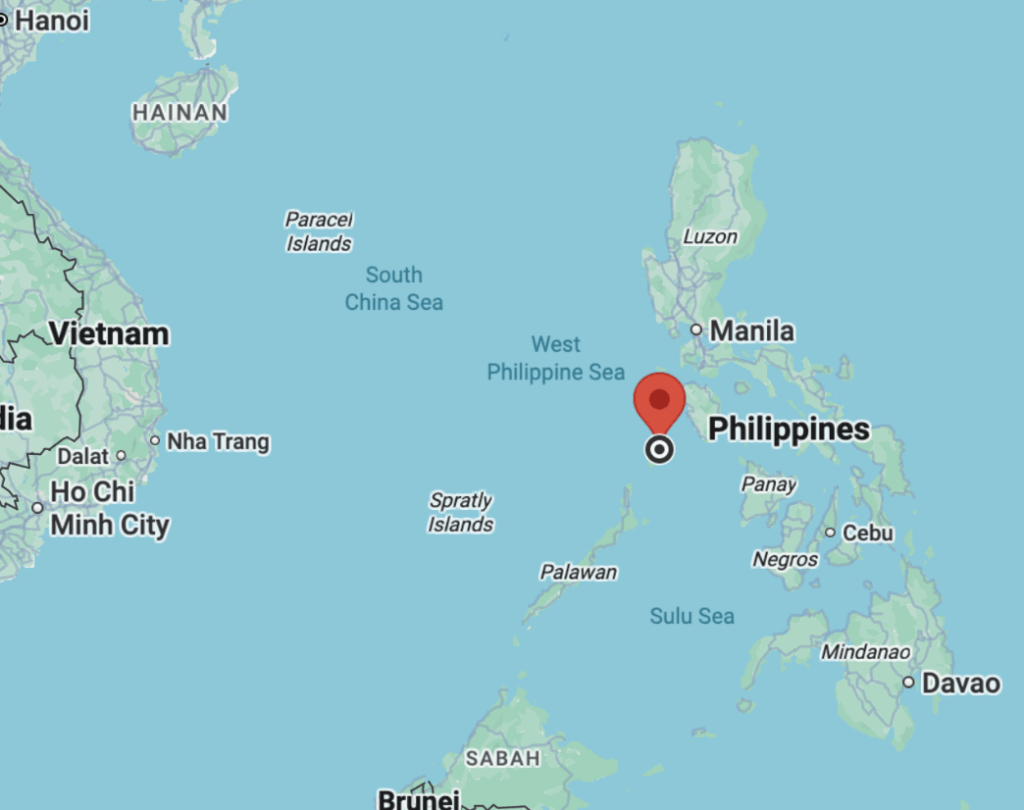
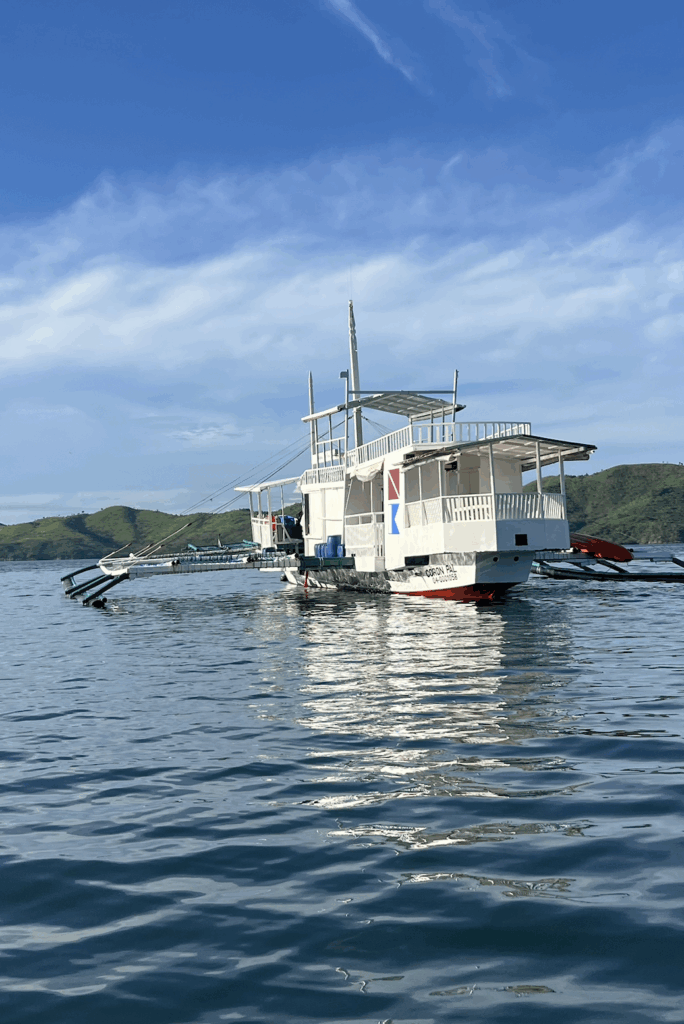
So you can imagine my disappointment (after 3 flights, a taxi, a river boat, and a dive boat out into remote northern Coron) when I discovered that scuba diving with dugongs in Coron was overcrowded, overpriced, and definitely on the less sustainable side of the ecotourism spectrum.
This guide is part of my Best Scuba Diving Destinations in the World series, where I break down the world’s top dive destinations—what you’ll see, who they’re best for, and when to go. From seeing charismatic megafauna to adrenaline dives to the best beginner-friendly spots, you’ll want to add these to your dive bucket list!
Scuba diving with dugongs in Coron, Philippines sucked: 3 things to know before you go
If you’ve been wondering how to see dugongs in Coron or are trying to find the best place to see dugongs in the Philippines, I recommend doing it somewhere else, and I hope you’ll let me save you the time and money on this experience before you make the same mistake that I did.
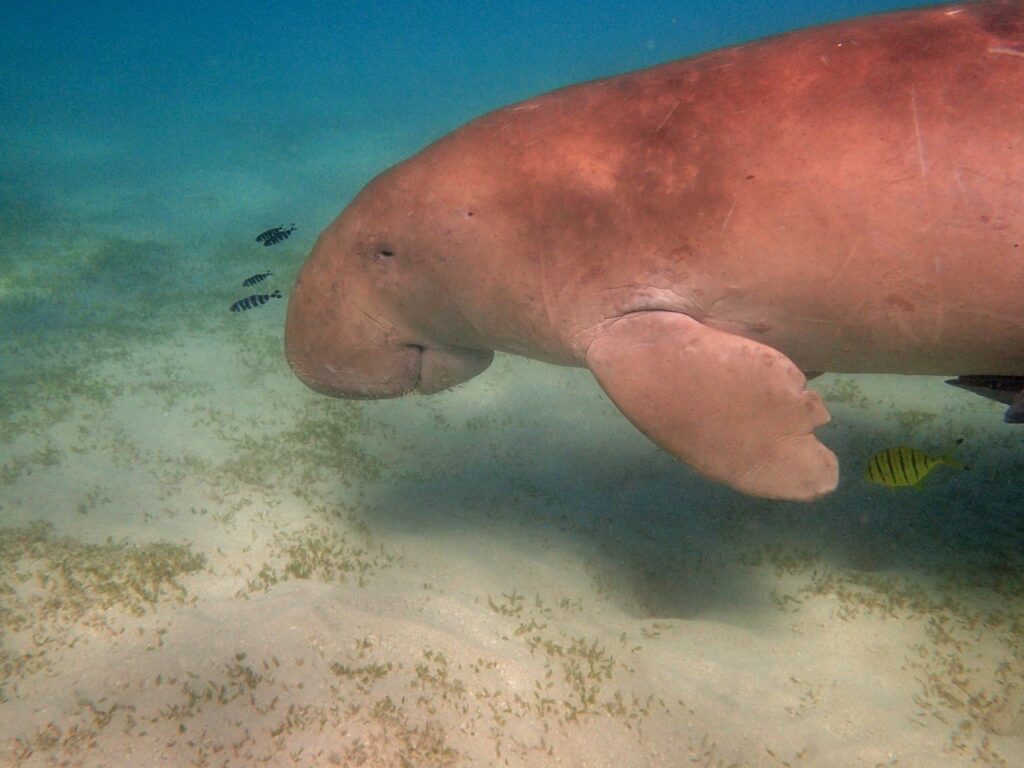
There are only 2 dugongs you can dependably see in Coron
While the local guide said there is a local population of 25 dugongs, they told us there were actually only 2 when we arrived at a shallow, palm-fringed lagoon with at least 5 other boats.
Instead of a peaceful wildlife encounter, you’re swimming in a small area with multiple boats, divers, and snorkelers all trying to see 1-2 animals. The snorkelers especially were splashing and chasing the animal from above while us divers just 5-6 meters below were encouraged to follow the dugong across the reef as it clearly displayed avoidance behavior.
It just felt gross. I don’t think I have to go into detail about why this kind of operation is bad for the animals, but just in case, know that it’s stressful and disruptive can have a cascade of negative effects on their health, feeding, mating, hormones, social behavior, and more.
It felt like visiting the Mona Lisa at the Louvre: craning your neck, people elbowing by you, and flailing hands with cameras blocking the view of something that’s meant to be viewed with calm respect (and of course, excitement!).
The laws in place for protecting dugongs aren’t enforced
Dugongs are a protected animal in the Philippines and there are laws in place that are meant to regulate encounters. On the boat, they told us 4 divers, 1 dive master, and 1 dugong guard would enter the water at a time. They asked us to keep a 5-meter distance from the dugong and told us the max time in the water is 15 minutes.
Sounds well-regulated, right?
The problem is that once you get in the water, it’s chaos. There were multiple groups of both divers and snorkelers near a single dugong, and no one stopped the hordes of snorkelers who were way too close to the animal and chasing it around.
As a former marine mammal behaviorist, I can tell you the dugong was exhibiting clear avoidance behavior. Literally, trying to avoid us. It was swimming away and the dive master led us after it. To me, that’s the definition of harassment. When the snorkelers left we had ~3 minutes of peace with the dugong where it actually did approach us, but the experience give me the ick from the beginning.
Scuba diving with dugongs in Coron is harmful, unsustainable tourism
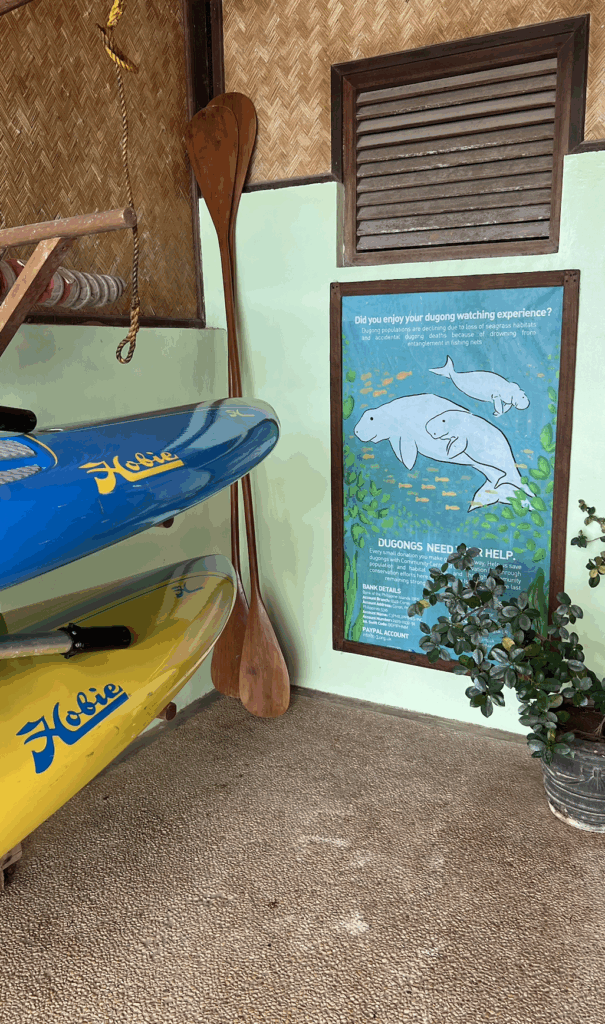
The UN Environment Programme define sustainable tourism (including ecotourism) as “Tourism that takes full account of its current and future economic, social and environmental impacts, addressing the needs of visitors, the industry, the environment and host communities.” UNEP & UNWTO, 2005 – Making Tourism More Sustainable: A Guide for Policy Makers
And while the dive guides were indeed local, which is great, having dozens of people following an animal around their habitat is stressful for them and damaging to the environment. I can’t tell you how many times I cringed watching people kicking coral in their efforts to race after the dugong over a reef, and unfortunately, I didn’t see any guides or dugong “guards” correcting that behavior.
It sucks because as much as I (or you, who are carefully considering where to contribute your previous travel dollars) love animals and want to see them in the wild, you have to be diligent in your research and do a conscience check before you decide to support an operation.
For me, this just wasn’t worth it, and there are plenty of other places to see dugongs in the wild around the world that won’t leave you feeling icky.
Where to see dugongs in the wild: BETTER destinations to check out if you wanted to go scuba diving with dugongs in Coron
If you were looking for to go scuba diving with dugongs in Coron and are disappointed now, don’t worry! There are so many other places where you can find sustainable dugong encounters, and likely at a better price. The price per diver in Coron to dive with dugongs was ₱10,000 per person, just for 1 dugong dive and 1 reef dive. That’s $175 per person! Ouch.
Here are other destinations to consider diving or snorkeling with dugongs:
- Australia: Calm waters and ethical tour operators make it possible to watch dugongs without disturbing them.
- Red Sea, Egypt: Dugongs are rare, but responsible snorkeling with local guides allows for respectful encounters. Check out my FULL guide and series on diving in Marsa Alam, Egypt, where you can see dugongs, turtles, dolphins and more!
- Mozambique
- Raja Ampat, Indonesia
Other awesome dive destinations and wildlife travel you DEFINITELY don’t want to miss!
- Where to go scuba diving in Egypt (NO liveaboard!): Choosing between Marsa Alam, Sharm el Shiek, Dahab, & Hurghada
- Diving with thresher sharks in Malapascua, Philippines
- Swimming with the world’s smallest dolphin species, the Hector’s dolphin, in New Zealand
- Diving with manta ray & participating in conservation in Komodo, Indonesia (you can too!)
- Searching for the world’s smallest penguin species, the little blue penguin, in New Zealand!
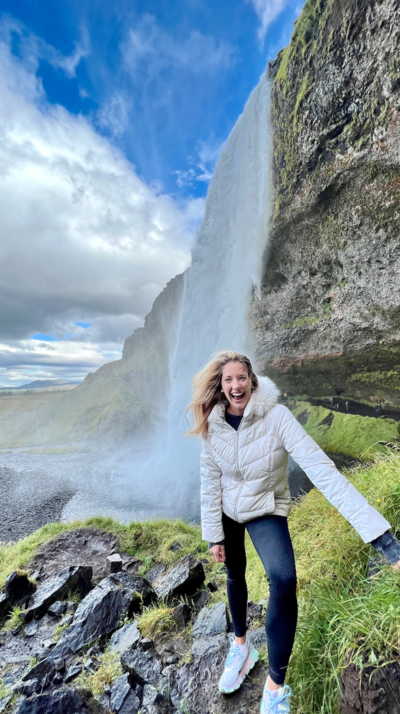
Meet the author
Sarah O'Keefe
Sarah O'Keefe is an adventure traveler based in Atlanta, GA. She’s deeply passionate about nature, outdoor experiences, and slow travel, and has chased wildlife and wild places across 6 continents.
After completing her B.Sc. in Animal Sciences, Sarah spent years working in conservation before transitioning to a corporate job and catching the travel bug. In 2023, she quit her job, sold her belongings, and bought a 1-way ticket to go backpacking for 8 months in Asia and Oceania. Her blog, Wait, Where Is She? is a platform dedicated to finding the adventure travel experiences, wildlife travel, and nature destinations that are actually worth the flight.
Featured in


This is embarassing, but...
I spend ALL my time finding the world's best adventure travel experiences and iconic wildlife destinations—not the ones that look good online, the ones that are actually worth it.
Get the good stuff sent straight to your inbox!

pretty please with sugar on top

