
Best time to visit Marsa Alam (best dive sites, difficulty levels, & seasonal wildlife!)
11/22/25


My toxic trait is that I’ll plan an entire international trip around the possibility of seeing one specific animal during during an even more specific window of opportunity.
Even if you aren’t irrationally rearranging your PTO around an obscure animal migration (yet), you probably are trying to figure out when a place is at its best before you buy those tickets—when the conditions are good and the wildlife you’re dreaming about hasn’t conveniently missed you by just a week.
My dream is to be one of those divers with lore. One who can say, “The oceanic white-tip bumped my camera! It was easily 12 feet long—no, 15!” And that’s exactly why timing matters so much for scuba diving in Marsa Alam.
The diving conditions are lovely year round—warm water, unreal visibility—but the experience changes a lot depending on when you go and what you’re hoping to see. Turtles? Easy. Dolphins? Maybe. Big, toothy pelagics? That requires slightly more math.
So whether you’re a brand-new diver, a seasoned underwater gremlin, a shark nerd, or just trying to decide when Marsa Alam makes the most sense for your kind of trip, I’m breaking down the:
- Best times to dive Marsa Alam by season
- Wildlife you can realistically expect
- Dive site details, difficulty & certification requirements
- What diving in Marsa Alam is actually like
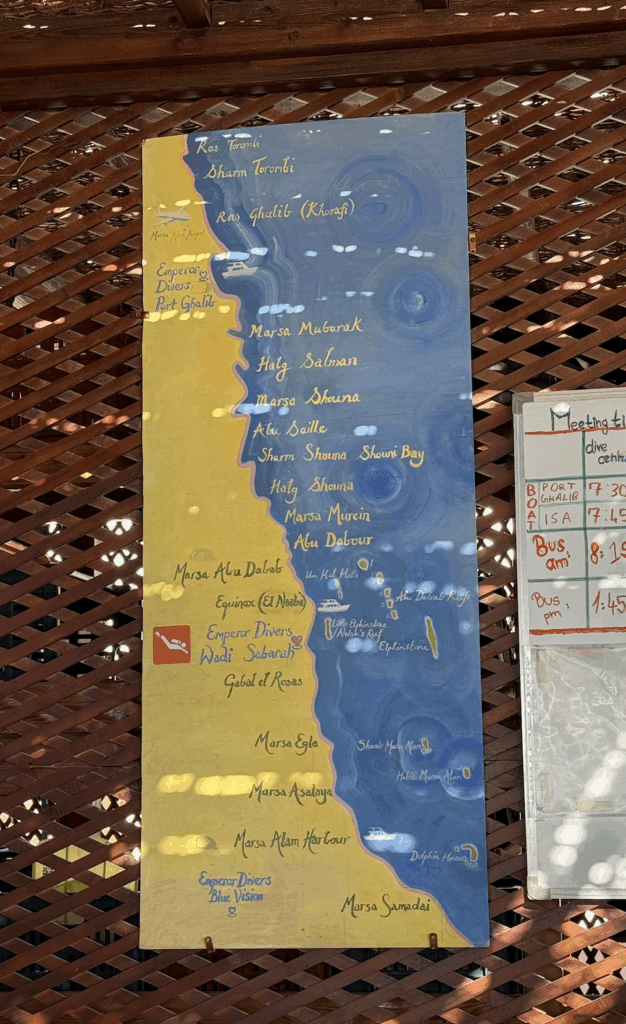
- Marsa Alam dive sites map
This guide is part of my Marsa Alam scuba diving series, where I break down everything from the best dive sites to costs, dive centers, dive resorts and timing for wildlife. If Marsa Alam’s on your bucket list, read the rest of the series before you book!
Scuba diving in Marsa Alam: What to expect
Marsa Alam is a dreamy little scuba hideaway in southeast Egypt—and by little, I mean there’s nothing here except sand, sea, and dive resorts. If your idea of paradise is rolling out of bed, eating, diving, napping, and repeating until you forget what day it is (hi, it’s me), it’s for you!
You get that eat-sleep-dive rhythm of a liveaboard without being trapped on a boat, which means you can sleep and shower with *gasp* privacy while still having easy access to some of Egypt’s most legendary dive sites. Win/win!
If you’re wondering what to expect for dive pricing in Marsa Alam, be sure to read my FULL cost breakdown of what I spent to go scuba diving in Marsa Alam, including all the little extras you don’t expect, like boat surcharges, conservation taxes, equipment, and more!
Is Marsa Alam good for beginner divers or advanced divers?
In short, Marsa Alam is great for both beginner and advanced divers, but with caveats. Marsa Alam can be excellent for beginner divers if you choose the right dive sites and conditions. Many resorts and dive centers start new or recently certified divers on:
- Calm shore dives
- Sandy-bottom bays
- Protected reefs with little to no current
And there are plenty of these sites in Marsa Alam, like Abu Dabbab Bay, which are ideal for beginners thanks to easy entries, shallow depths, and abundant marine life (sea turtles galore!).
However, Marsa Alam is not a beginner-only destination at all. Some of its most famous sites and offshore reefs involve:
- Strong currents
- Deep walls
- Blue-water entries
- Negative entries (dropping straight down)
If you’re a new diver, don’t worry! Most dive operators will assess your experience level and logbook before allowing you to visit advanced sites like Elphinstone Reef (for example, to visit it with Emperor Divers you were required to have 30-50 logged dives minimum), which helps keep things safe without watering down the experience for more advanced divers.
What animals can you see scuba diving in Marsa Alam?
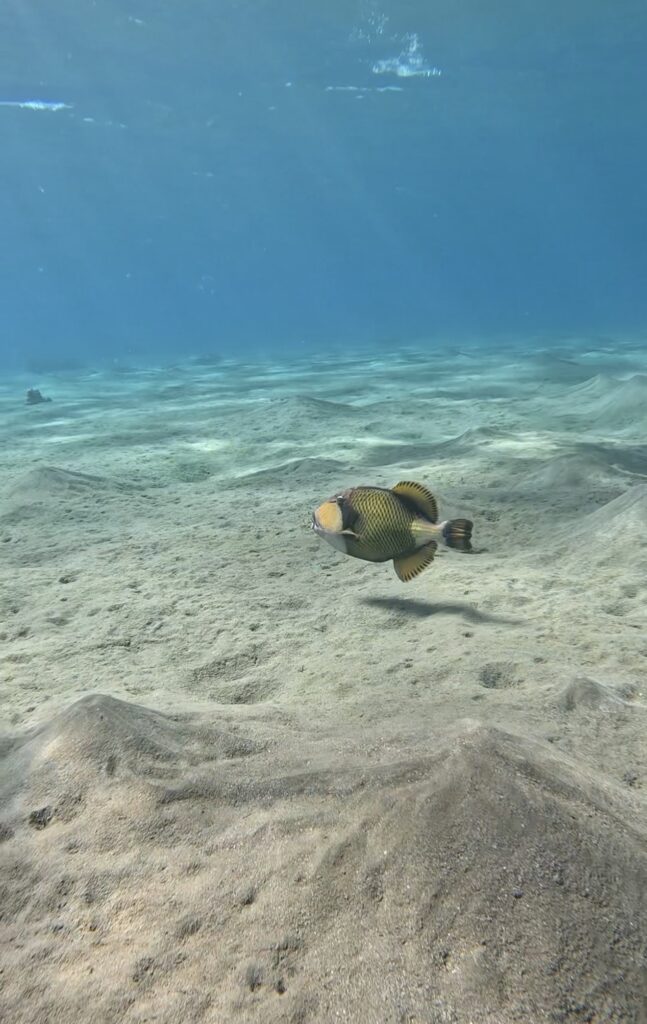
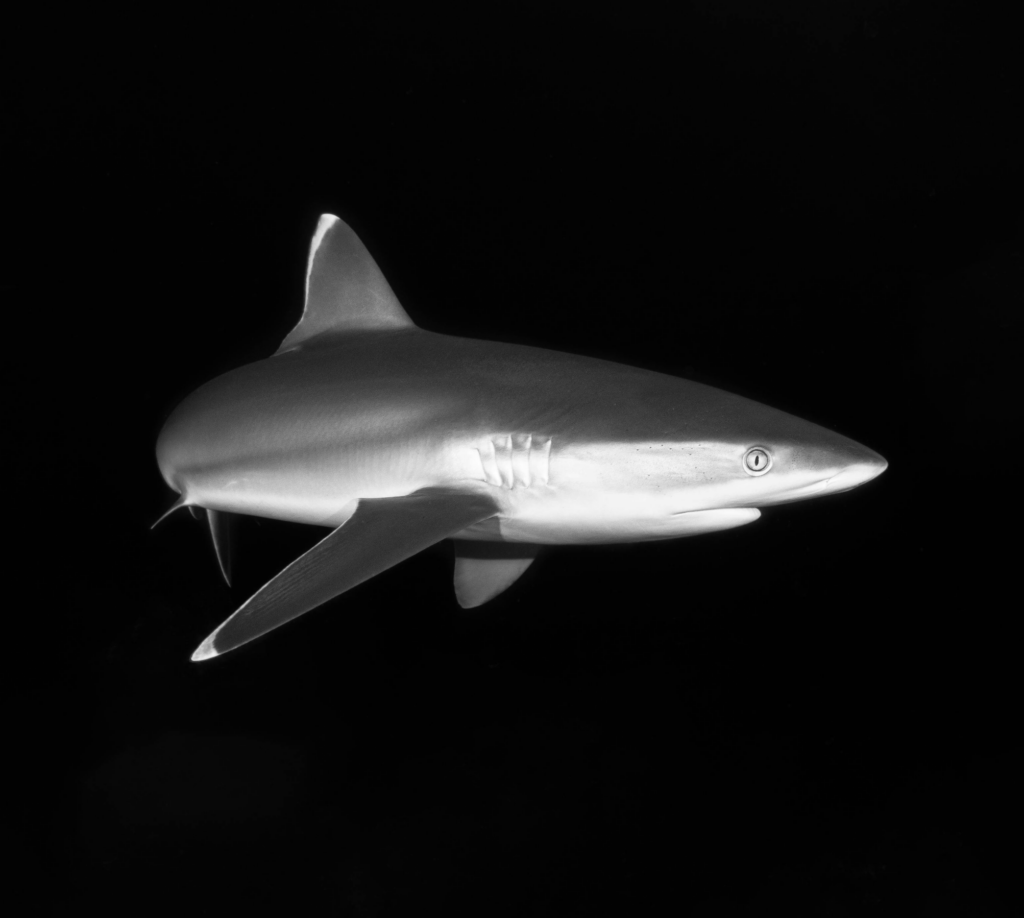
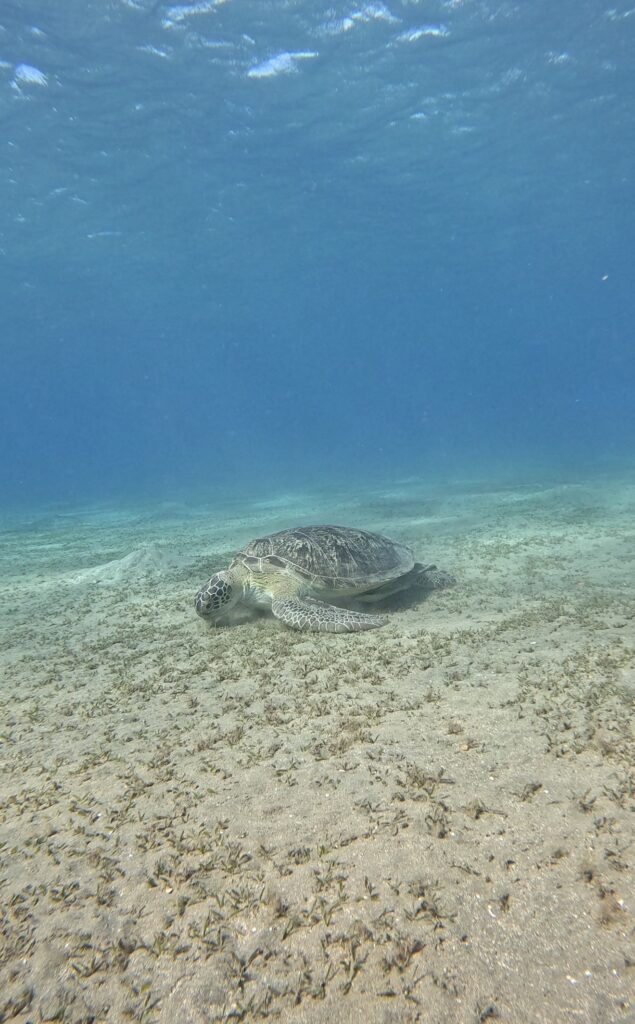
You can see some of the best megafauna and hard coral diversity in Egypt in Marsa Alam! And yes, seeing wildlife is never guaranteed, but your best bet is always to trust the local knowledge of where these animals are commonly seen and when!
In Marsa Alam, you can find dugongs, dolphins, several species of sea turtles, Red Sea anemonefish, moray eels, blue-spotted rays, Napoleon wrasse, triggerfish, parrotfish, etc. You can also see (seasonally) big pelagics like oceanic white-tip sharks, silky sharks, and even manta rays!
One thing I really wanted to do (but ran out of time, so next time!) is participate in sea turtle or dugong conservation programs. PADI is partnered with the Red Sea Project in Marsa Alam, and they offer 1 day, 3 day, and 5 day programs where you can learn about each animals biology, their role in the ecosystem, learn to ID them, join guided surveys to collect animal data, and become a more ethical wildlife diver!
What’s the best time to visit Marsa Alam for scuba diving?
Best time for sharks & pelagics: October–December
I think I’ve made it obvious that I’m shark obsessed, and if you’re a shark lover as well (or just want fewer crowds), now’s the time! There are nearly 50 species of sharks in the Red Sea, but a really special one you can see this time of year is the oceanic white-tip.
- Water temps were comfortable in a 5mm wetsuit (but I run cold, and I saw plenty of people in 3mms and shorties)!
- Visibility was excellent!
- Shark sightings are not just possible, but likely. We saw a couple of shy whitetip reef sharks, but if you want to see the oceanic white-tips and hammer heads, this is primetime!!
- Evenings can feel cool after diving when the wind picks up and the sun sets earlier, so pack a sweatshirt or light jacket (or that cozy dive poncho!) for after your dives and dinners
Best time for warm water & calm conditions: April–June
Honestly, the conditions are great all year, but if you want the absolute warmest water and calmest seas, you can’t beat the summer. But, you’re out of season for sharks if you hoped to see them at Elphinstone.
It’s a great choice if your priority is comfort, long bottom times, or easier conditions—especially for newer divers.
Best time to see turtles: Year-round
Turtles are basically a guarantee in Marsa Alam. That said, nesting and surface activity usually peaks in the summer, making sightings even more frequent. We saw an absurd number of turtles right away in November, so I really don’t think there’s a bad time for turtles.
The Res Sea Project is an awesome marine conservation organization in Marsa Alam, and they have volunteering opportunities and citizen science projects you can get involved with while you’re there. Check out their Turtle Sighting Report for a preview of some of the cuties you may see in your dives and snorkels!
What are the best dive sites in Marsa Alam?
Sha’ab Samadai (Dolphin House)
Famous for a resident pod of dolphins that you can snorkel or dive near in strictly managed zones. We didn’t see the dolphins other than when we were on the boat heading back to shore (bad luck!), but the dives here were fun and colorful with endemic Red Sea clownfish, sea pinnacles, reef walls with huge brain corals, and even a cave swim through. I saw a Napoleon wrasse here, which I’ve ALWAYS wanted to see!
Depth: Up to about 40 m / 131 ft. Typical dives are much shallower, and our maximum depth for this site was 20 m / 60 ft.
Currents: Usually considered mild to moderate, but can vary with tides and wind. The lagoon basin itself is more protected, which helps keep current manageable for most dives
Recommended Certification / Experience: Open Water Diver (OWD) is enough for most dives here. It’s a great first ocean dive and suitable for divers and snorkelers alike, though dolphin sightings aren’t guaranteed.
Elphinstone Reef
One of the most iconic Red Sea pelagic sites. Deep walls, currents, soft corals, and a strong possibility of seeing oceanic white-tip sharks from October-December. You can also sometimes see hammerheads!
Depth & Topography:
- Northern plateau: roughly 10–25 m with reef slopes and coral life
- South plateau: 25–45 m with dramatic drop-offs
- Walls extend far deeper into the blue beyond recreational limits
Currents: Often medium to strong, especially on the plateaus and outer wall. Currents are part of what brings the big pelagics here.
Recommended Certification / Experience:
- Minimum: PADI Advanced Open Water recommended
- Additional specialty training helpful: PADI Drift Diver
- Some operators may ask for 30+ logged dives before you join a trip here, due to current and deeper profiles.
Abu Dabbab Bay
Calm, sandy-bottom shore dive with sea turtles galore ALL YEAR (and occasionally a rare dugong sighting)! This was our first dive site in Marsa Alam, and we saw at least 10 turtles and a couple of gorgeous blue-spotted ribbontail rays!
Depth: Typically 5–18 m with a gentle slope. I don’t think we went deeper than 30 feet on this dive.
Currents: Minimal to nonexistent, calm and predictable
Recommended Certification / Experience: Open Water Diver or even skills refresher or certification dive
If you’re excited about the best time to visit Marsa Alam now, check out this PADI eco resort I stayed at! It’s fully solar powered, has an awesome house reef, and Emperor Diver’s is on property. The hotel restaurant also makes fresh bread from scratch daily 🙂
Diving in Marsa Alam vs. other Egyptian dive destinations
If you’re not set on these dives sites and wildlife after learning about the best time to visit Marsa Alam, check out my blog with a detailed comparison of the big 4 dive destinations in Egypt to see which one is right for you: Where to go scuba diving in Egypt (no liveaboard!)! It’s a comprehensive guide to choosing between Marsa Alam, Sharm el-Sheikh, Dahab, & Hurghada
Other scuba diving blogs
I hope this gave you the information you needed for scuba diving in Marsa Alam! If you’re looking for more scuba diving or outdoor adventure travel ideas, be sure to check out some of my related content!
- First timer’s guide: What to pack for a liveaboard dive trip (DON’T FORGET THESE!)
- My guide to diving with thresher sharks in Malapascua (cost breakdown, best dive shops, what to bring, etc!)
- My guide to scuba diving the Lanai Cathedrals in Maui, Hawaii
- I helped manta ray conservation efforts while scuba diving in Komodo, Indonesia. Here’s how any diver can do it, step by step!
- I went scuba diving with dugongs in Coron, Philippines. Here’s why I regret it.
This is embarassing, but...
Remember the little email newsletter I mentioned earlier? I really, really want to send it to you. You deserve all the things, including fun stories, adventures of your own, tips on sick travel destinations, and a giggle or two. We could all use that.

pretty please with sugar on top
FREE Month-by-Month Guide to the Best Wildlife Experiences on Earth
Stop guessing when it comes to wildlife! Find out exactly when & where to go for the best wildlife encounters on Earth — month by month. Because timing is the difference between “we missed it” and “holy sh*t, I can’t believe I just saw that!


